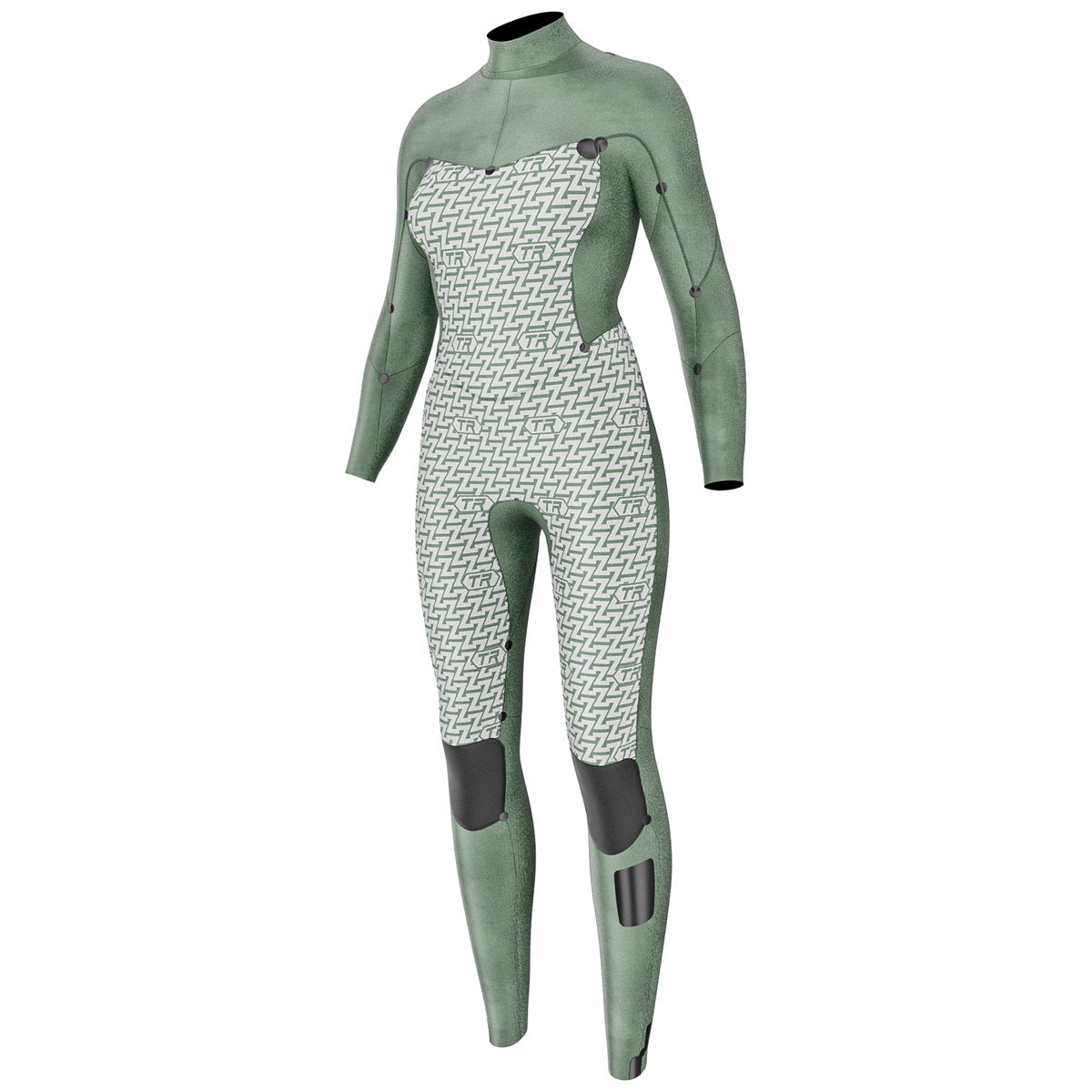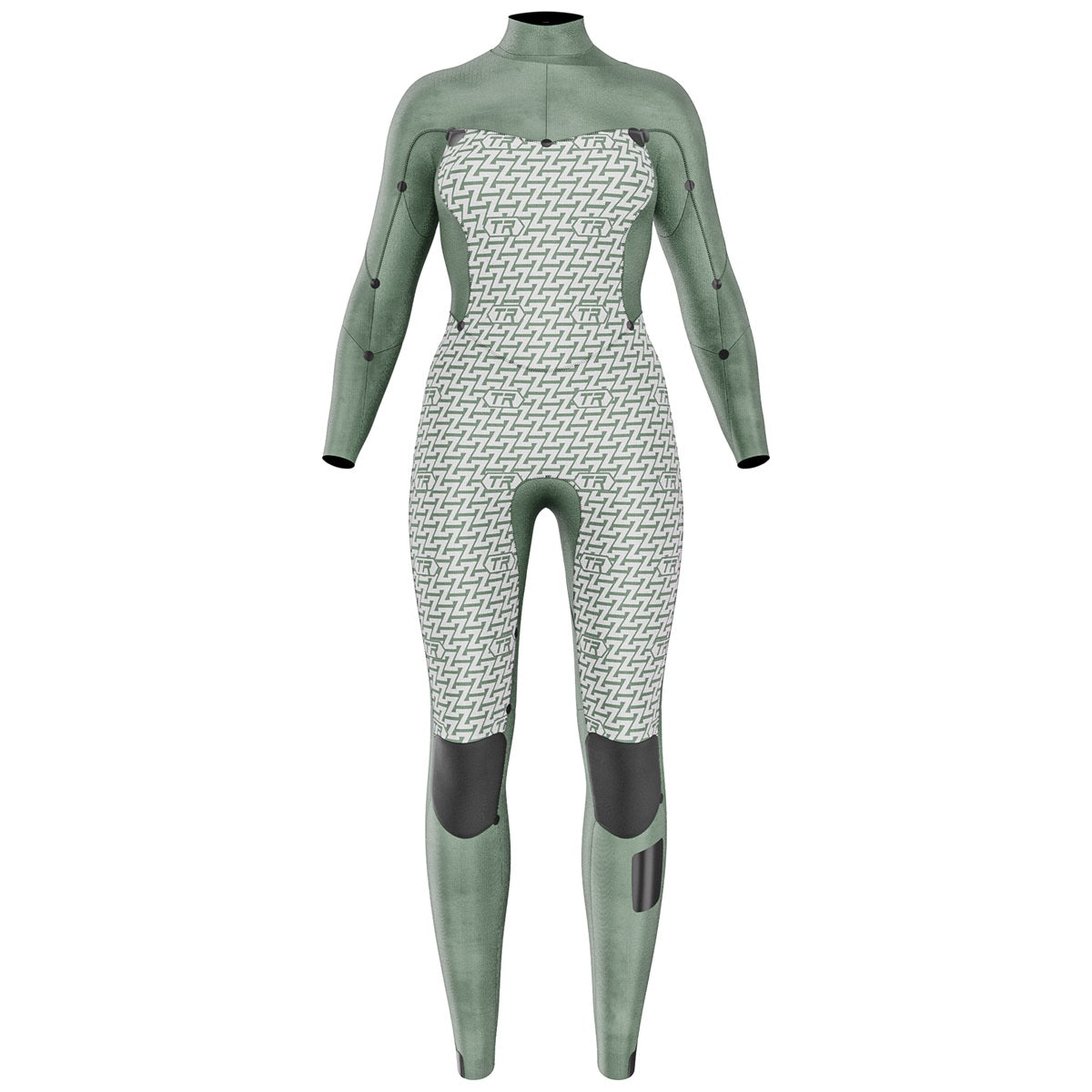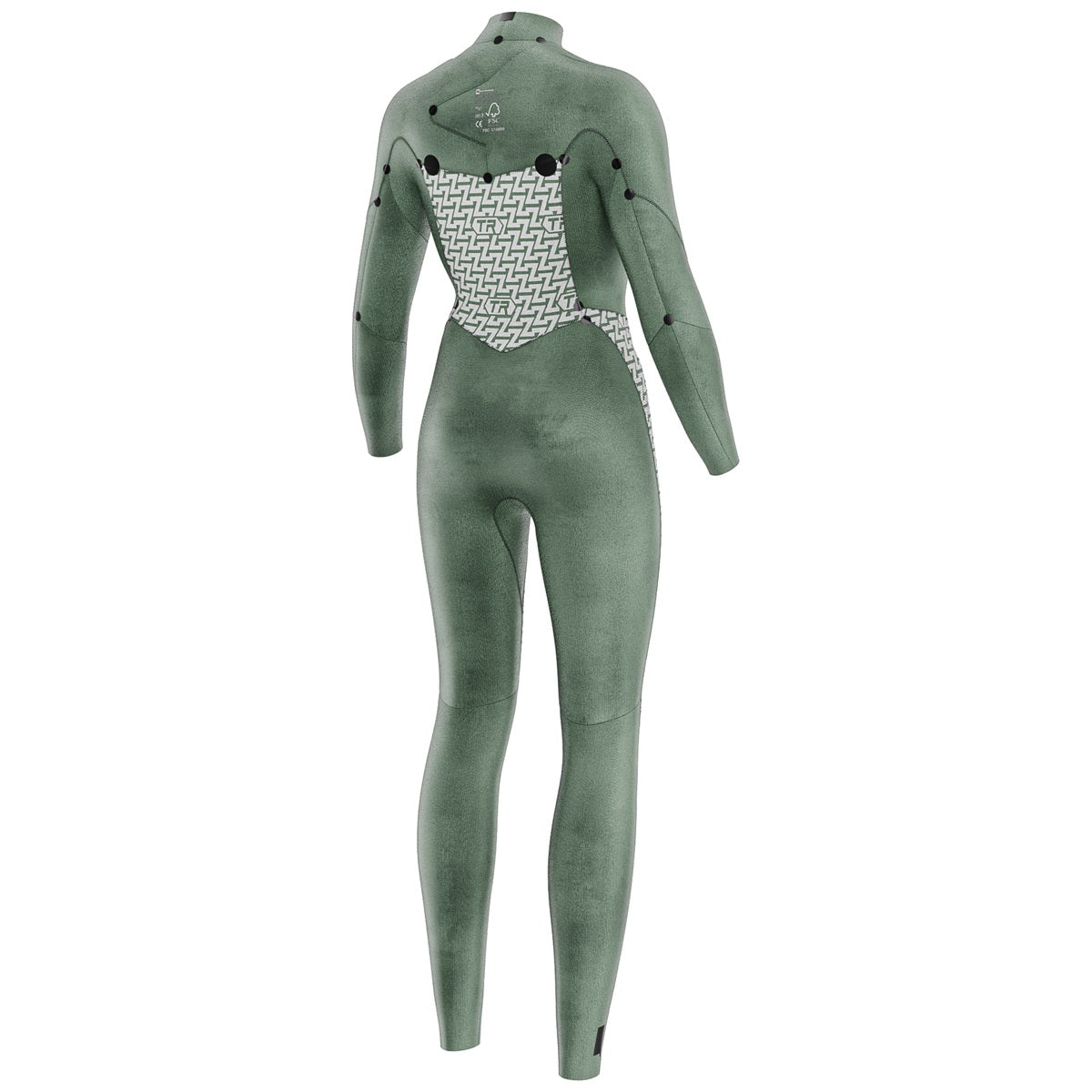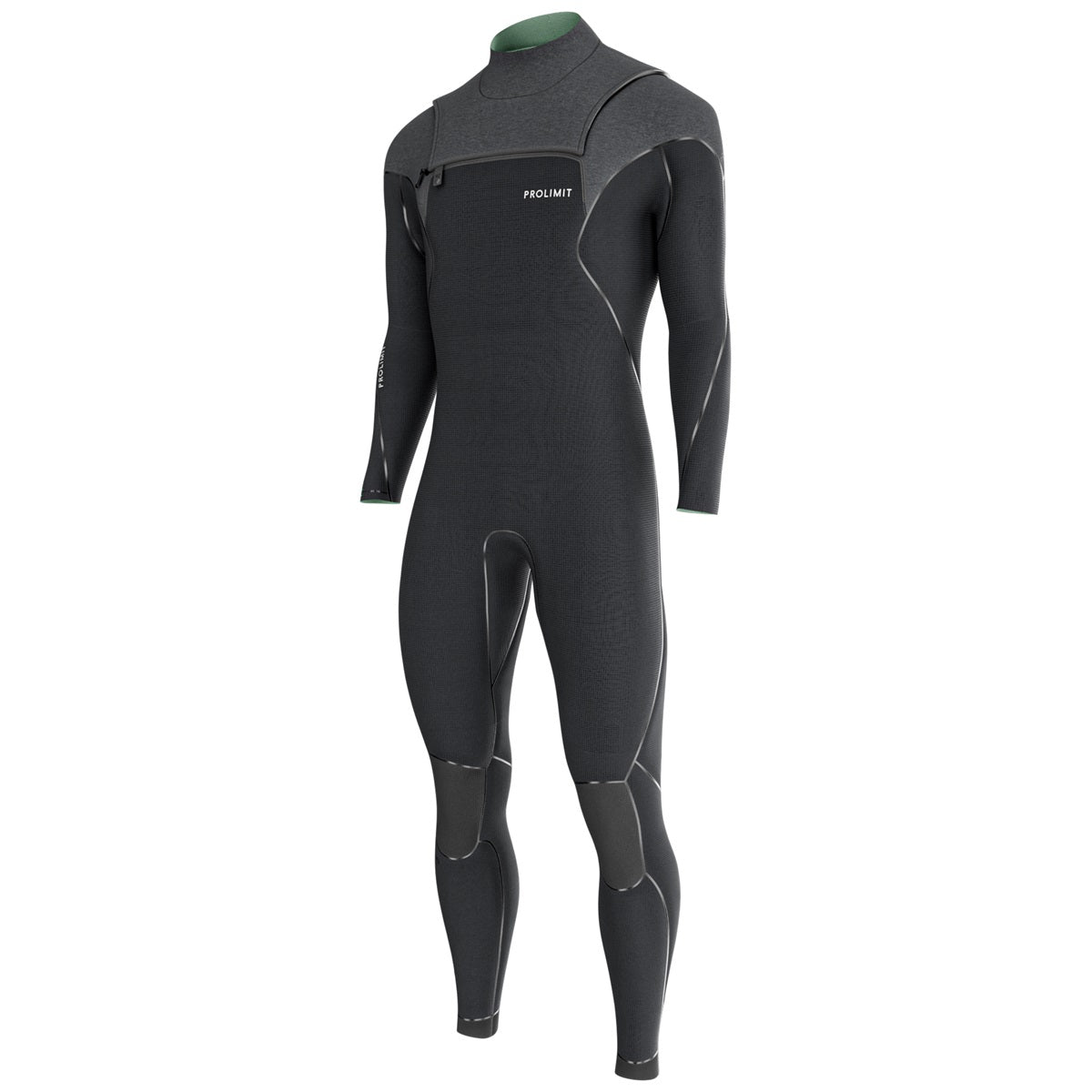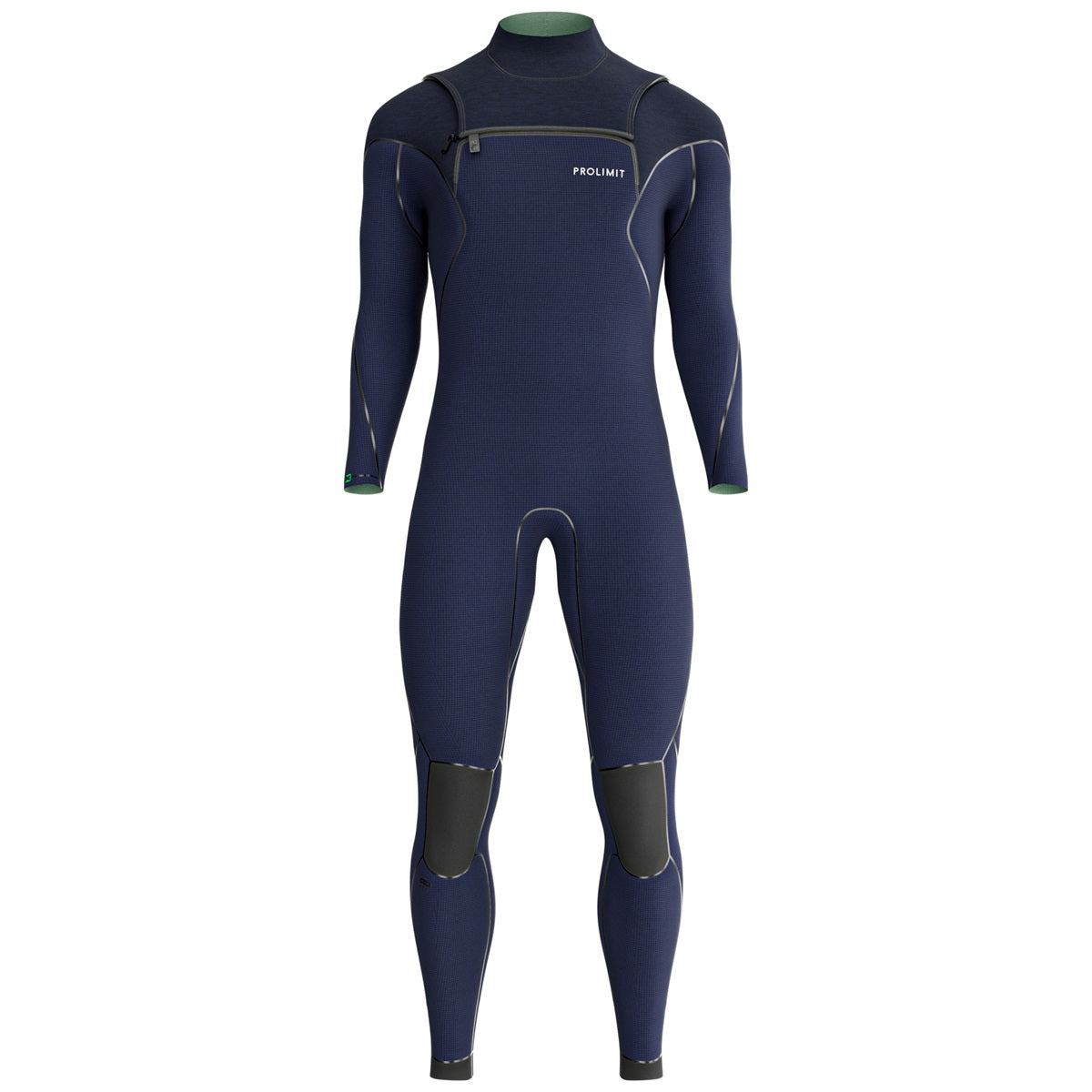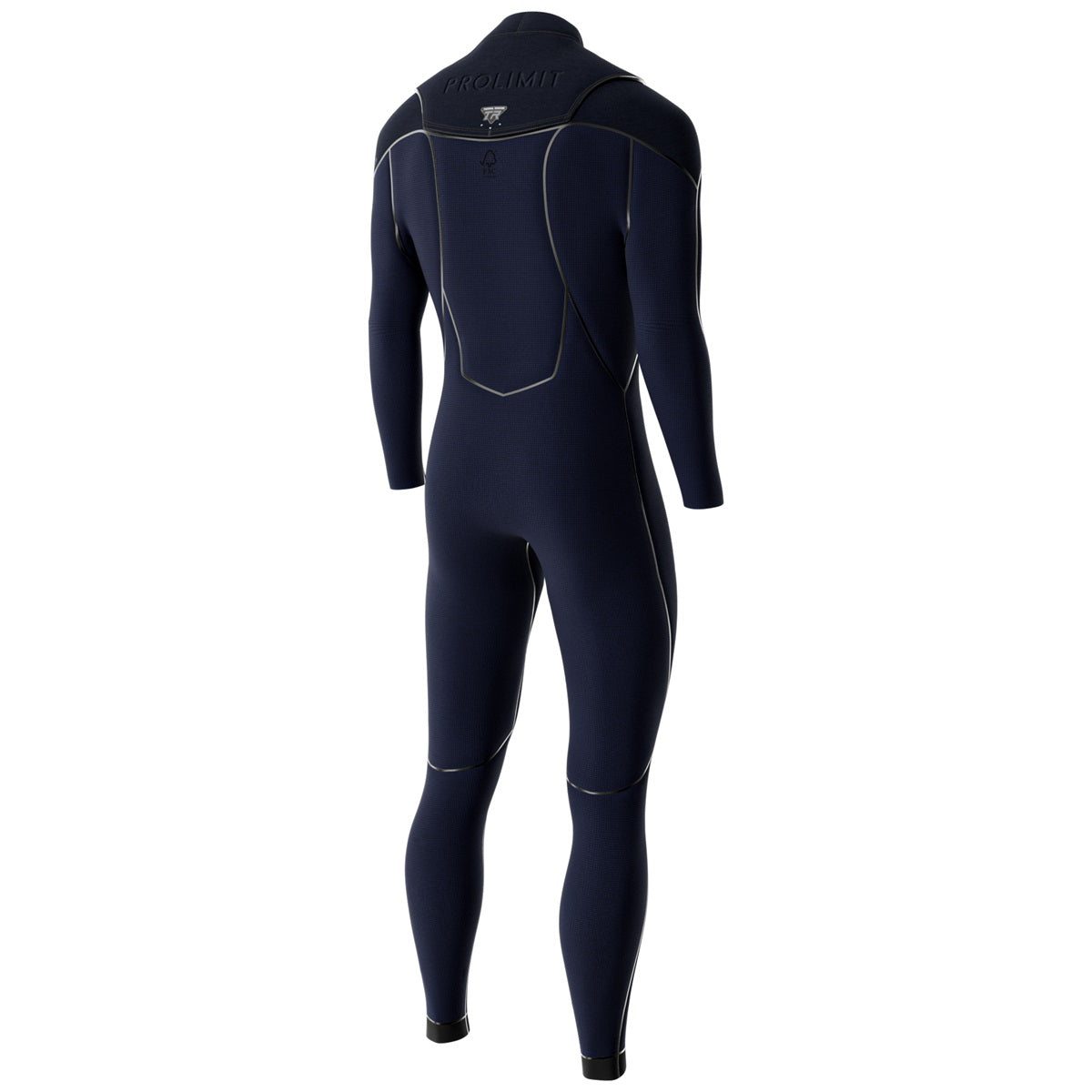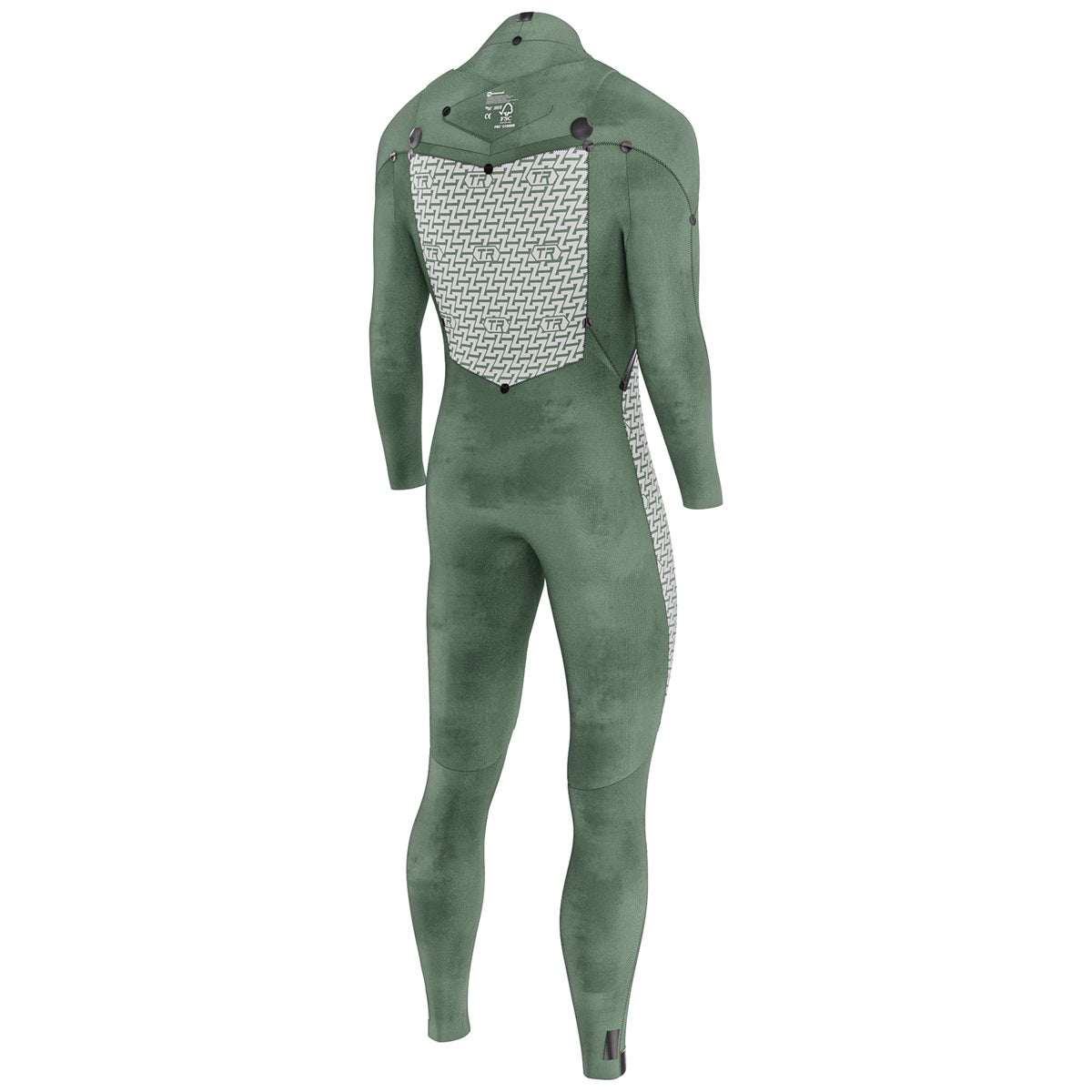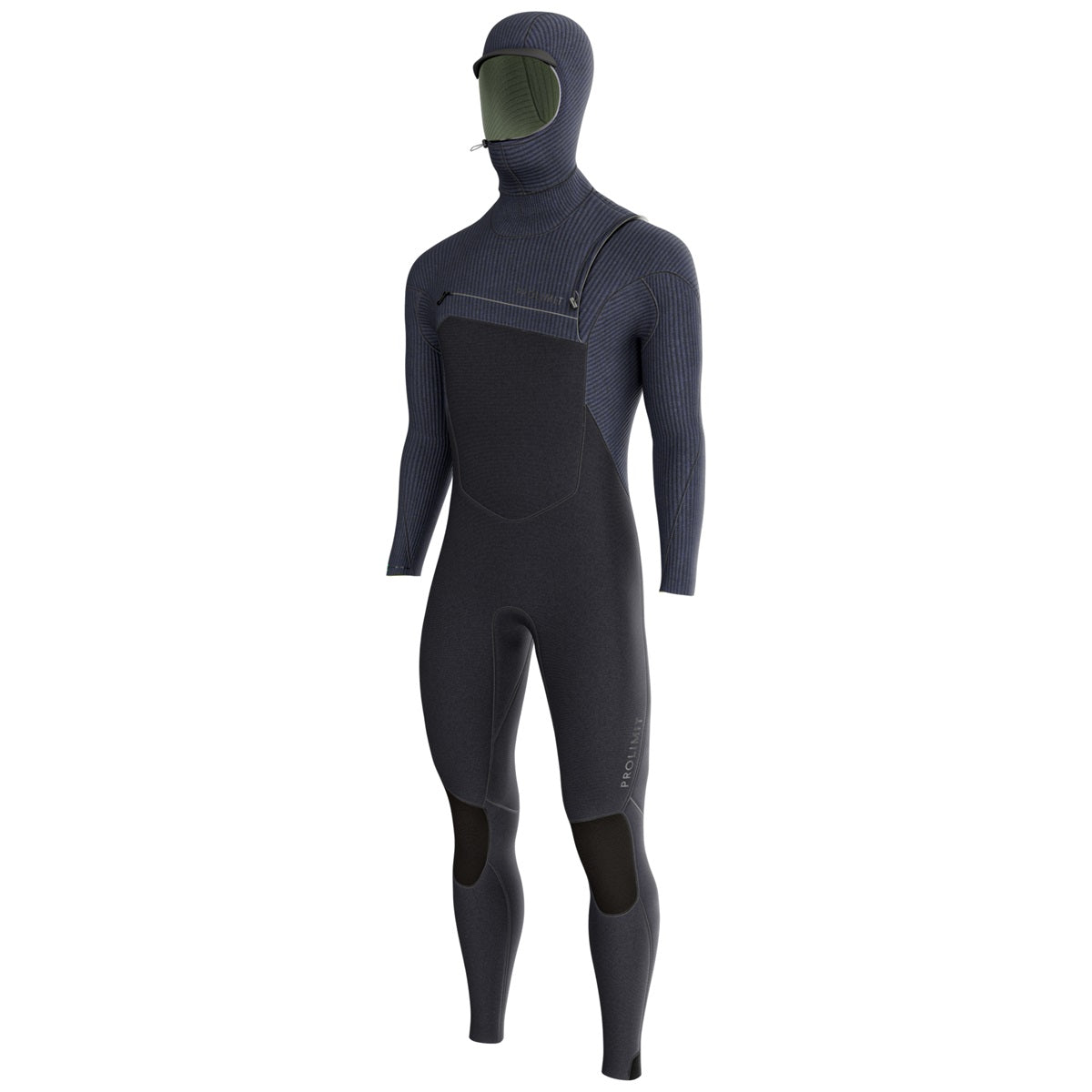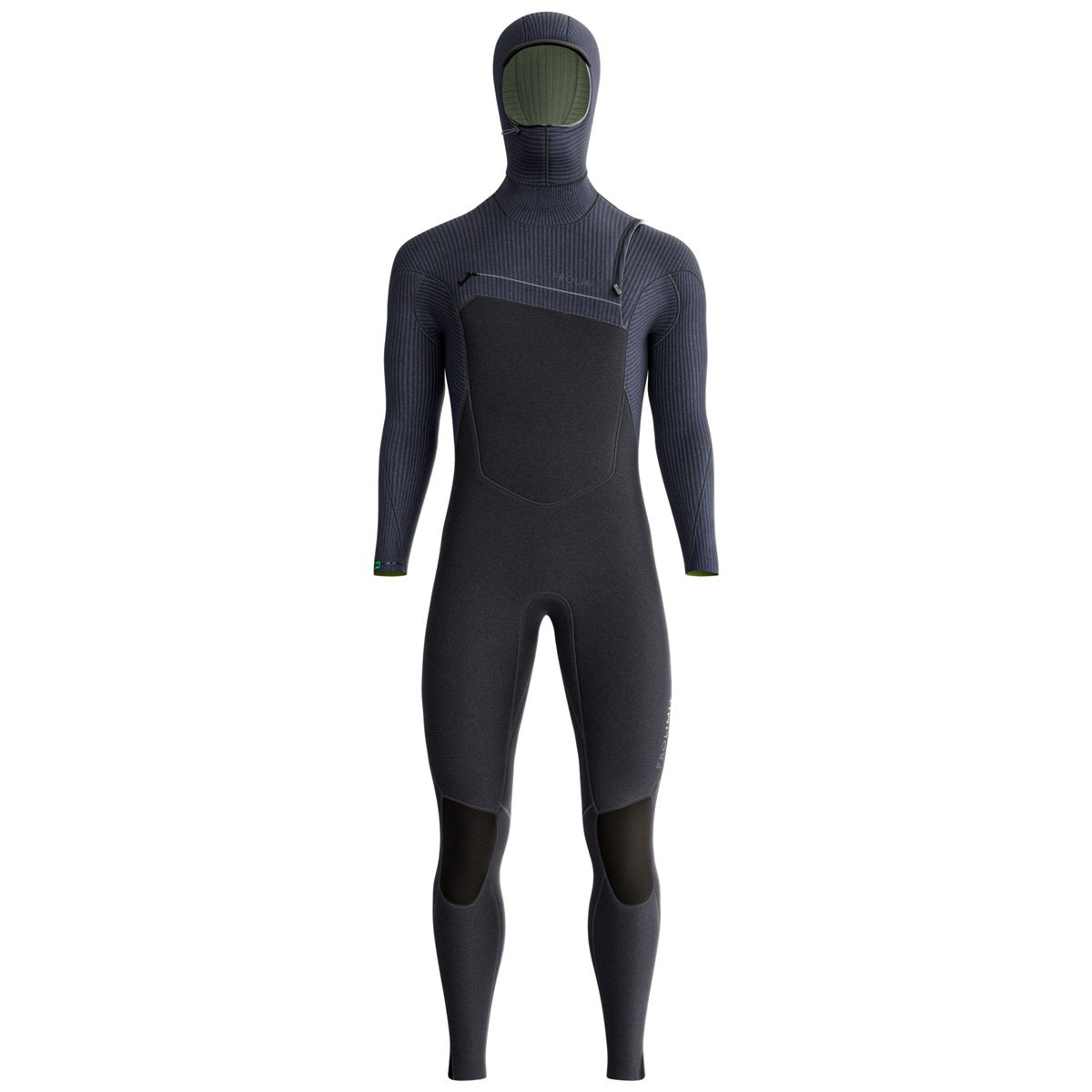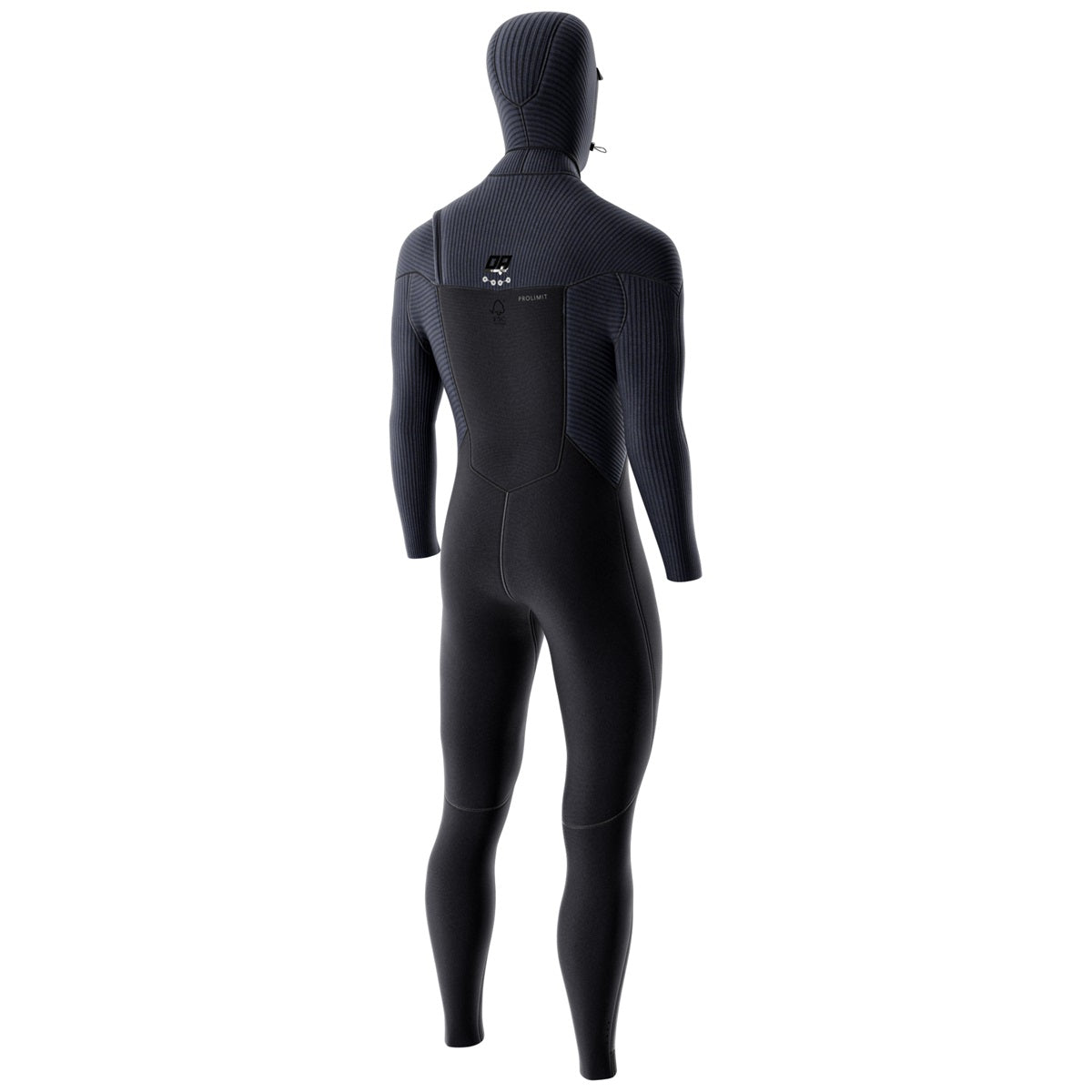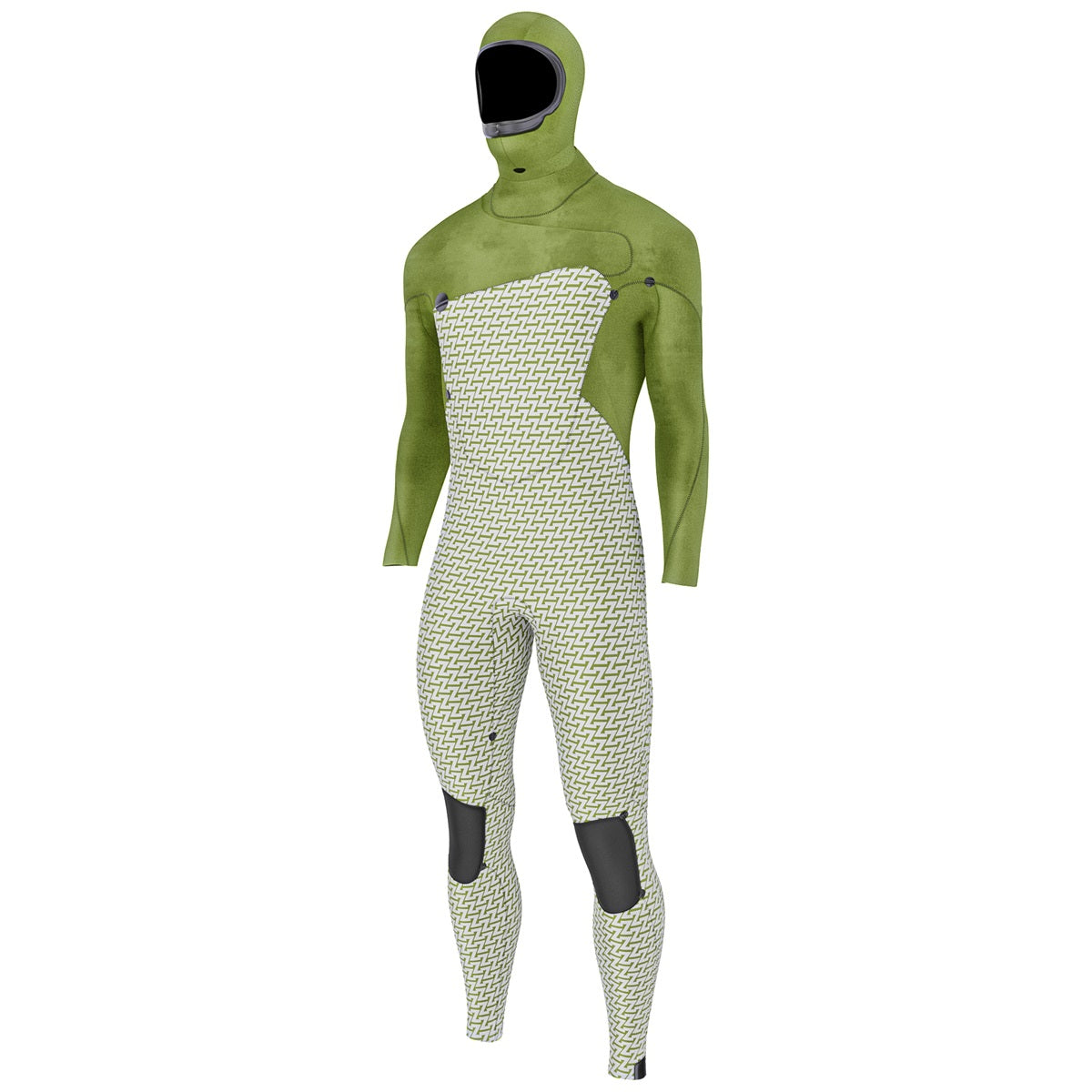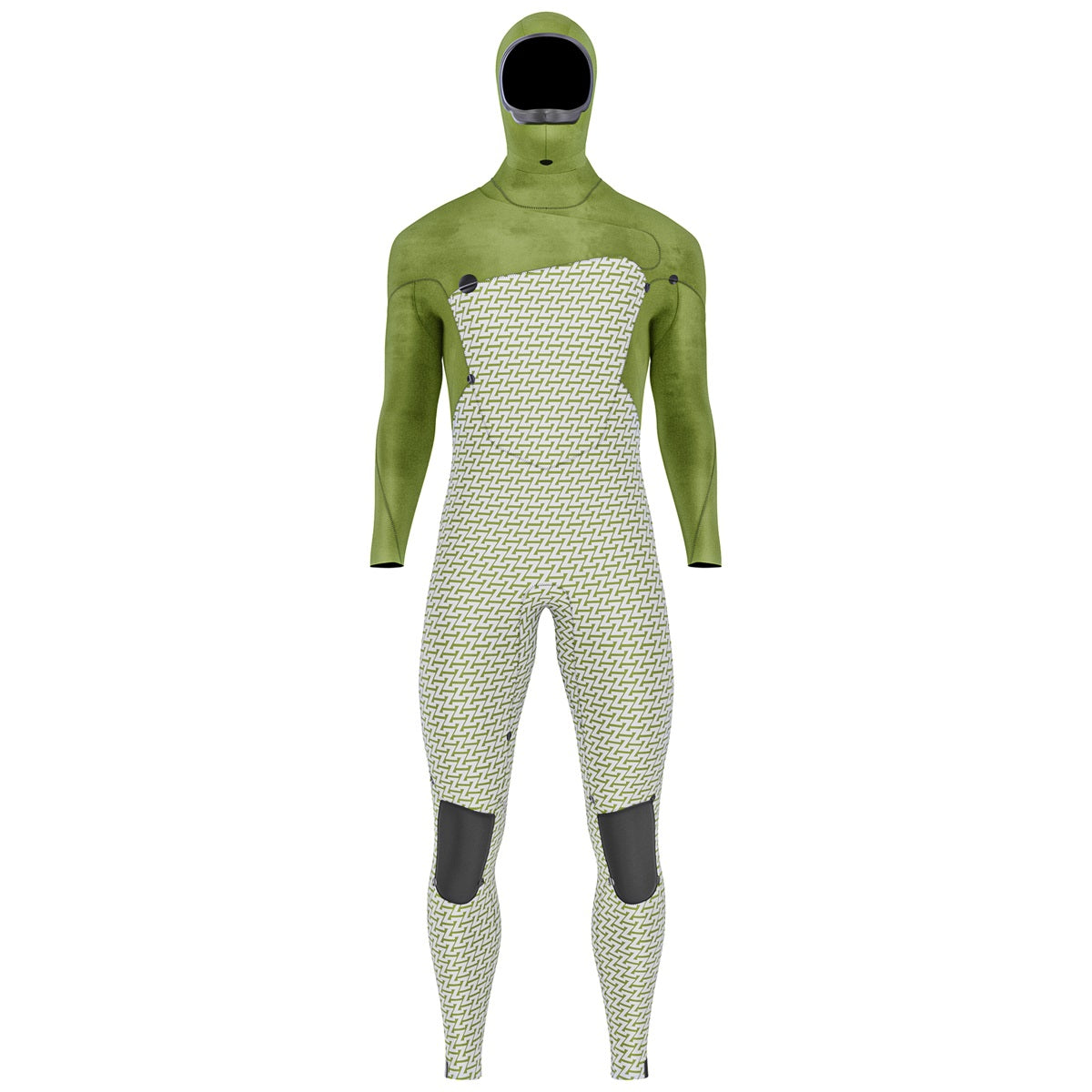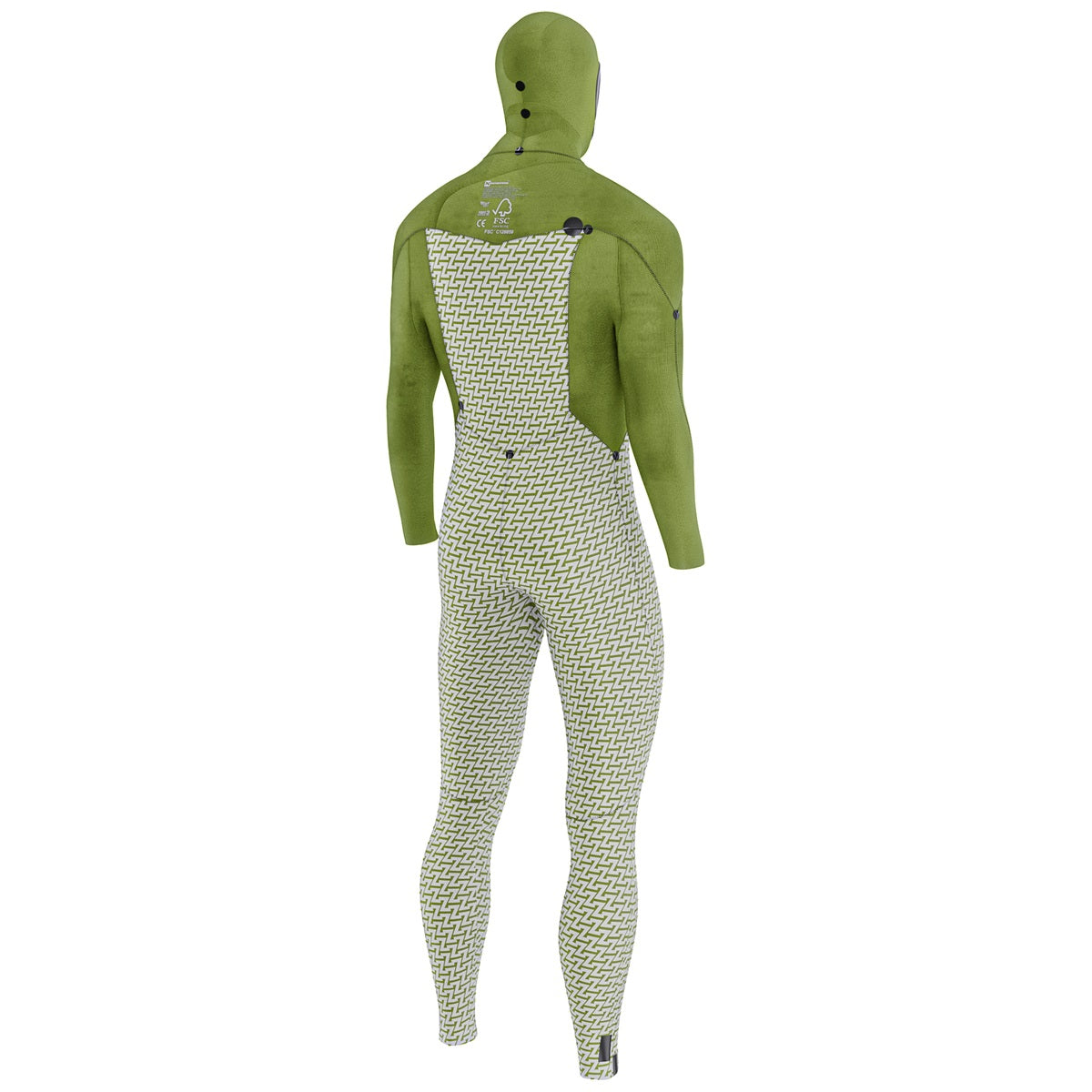


Thicker cold-water wetsuits are as flexible as summer wetsuits, or better, more flexible than summer wetsuits, while offering higher protection against windchill, higher heat retention, protection against injuries, and also added buoyancy.
Cold-water wetsuits are not thicker versions of summer suits. They’re built around different priorities – insulation, heat retention, sealing, and maintaining stretch when water temperatures drop. For riders who spend long hours in cold water, or who are particular about how a wetsuit feels and performs, understanding what goes into a winter wetsuit makes a real difference.
Prolimit designs cold-water wetsuits to balance warmth, flexibility, and performance – recognizing that cold-water riders don’t want to sacrifice movement or feel just to stay warm.
What Makes a Cold-Water Wetsuit?
Cold-water wetsuits are defined by more than thickness. While insulation is critical, materials, internal linings, and seam construction all play a role in how warm and flexible a suit feels.
– Materials influence stretch and durability
– Thermal linings trap heat and dry faster between sessions
– Sealing and panel layout reduce flushing and cold-water entry
In the EU, cold-water wetsuits are regulated by law and must carry a CE label to ensure the end user that the cold-water wetsuit delivers what should be expected.
A well-designed cold-water wetsuit keeps warmth consistent without becoming stiff or restrictive.

Materials, Windchill and Seam Construction in Cold Conditions
Water temperatures, but also surface temperatures, determine the choice of your wetsuit thickness. Windchill is noticeably a factor, so all Prolimit wetsuits are treated with a water-repellent coating on the outer layers to minimize this effect.
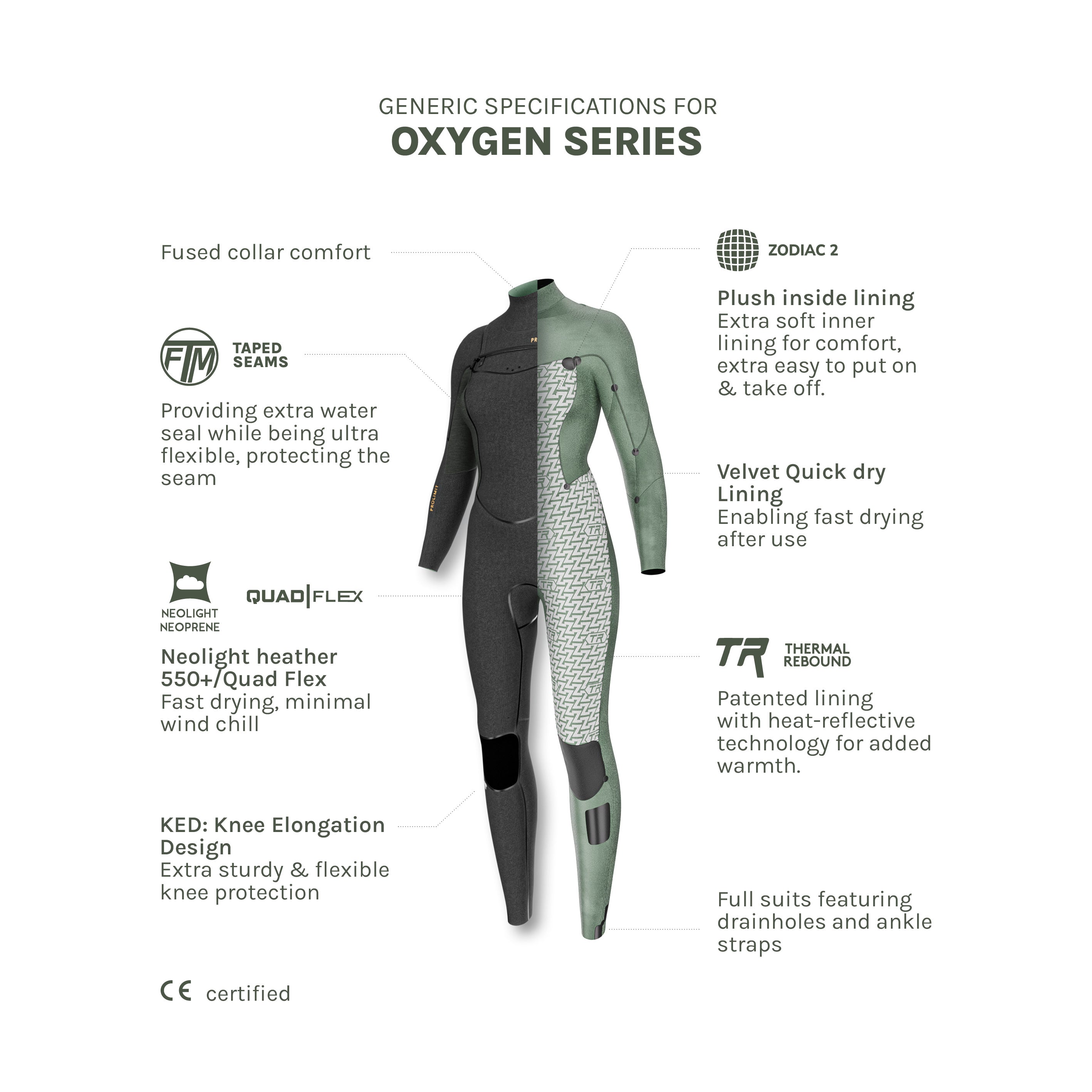
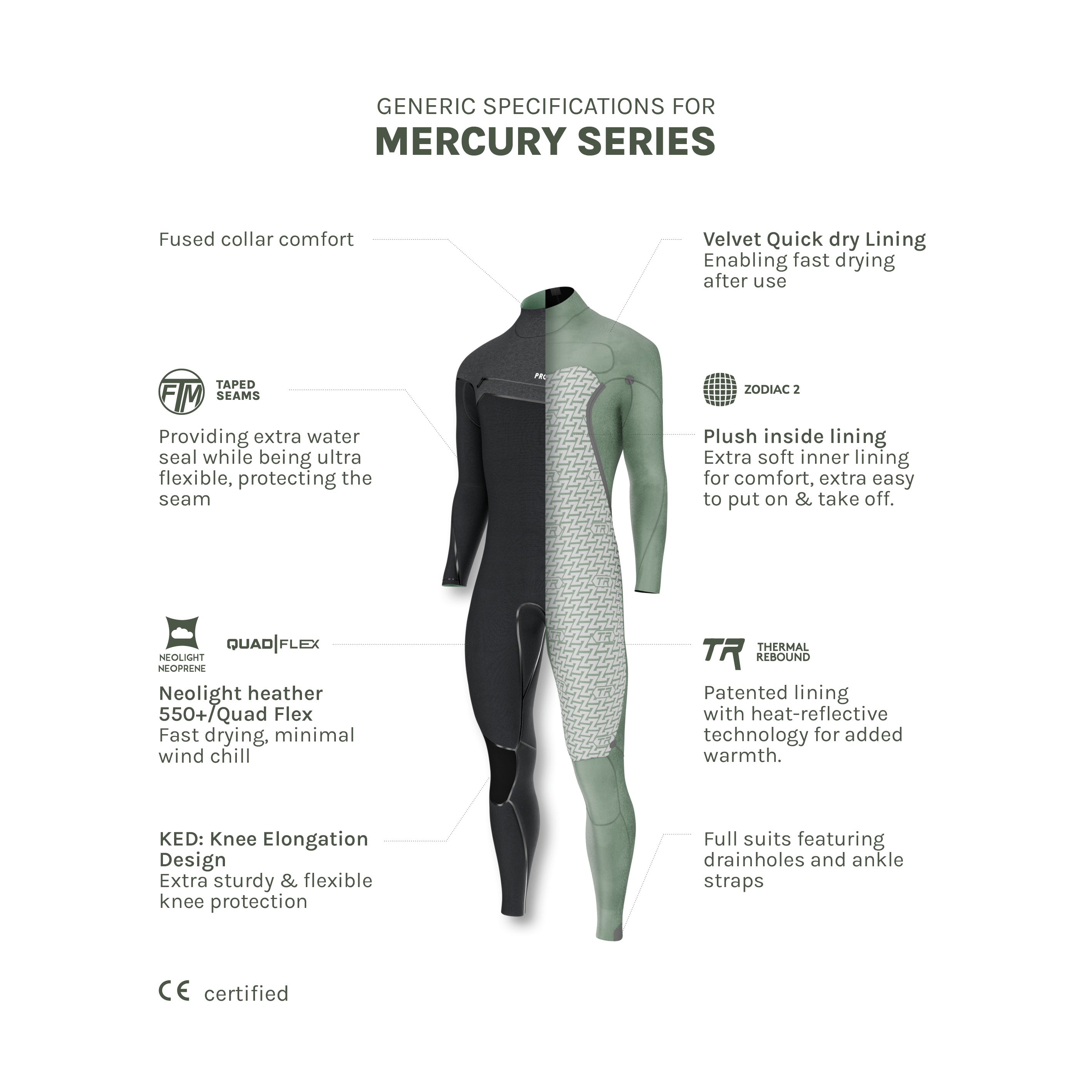
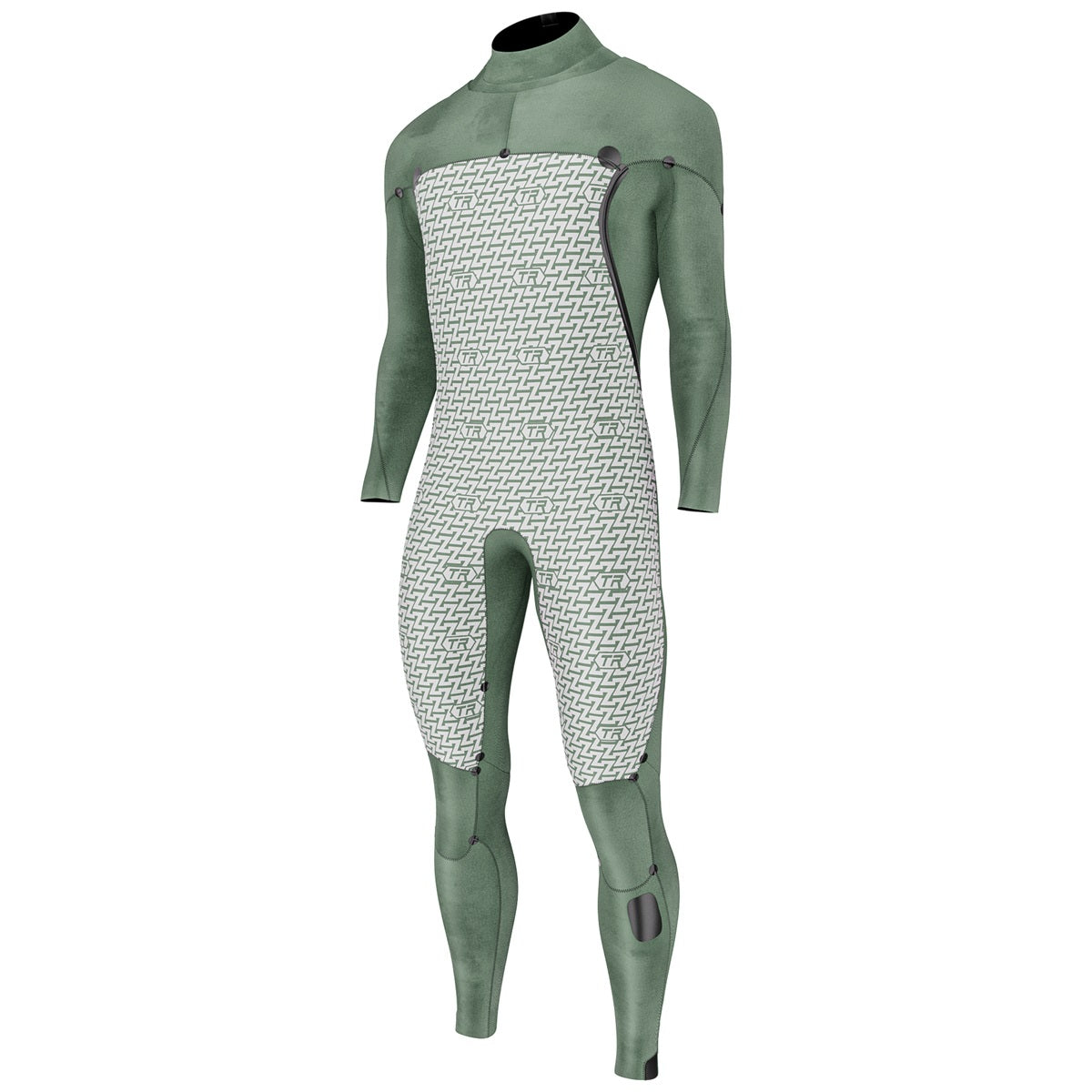
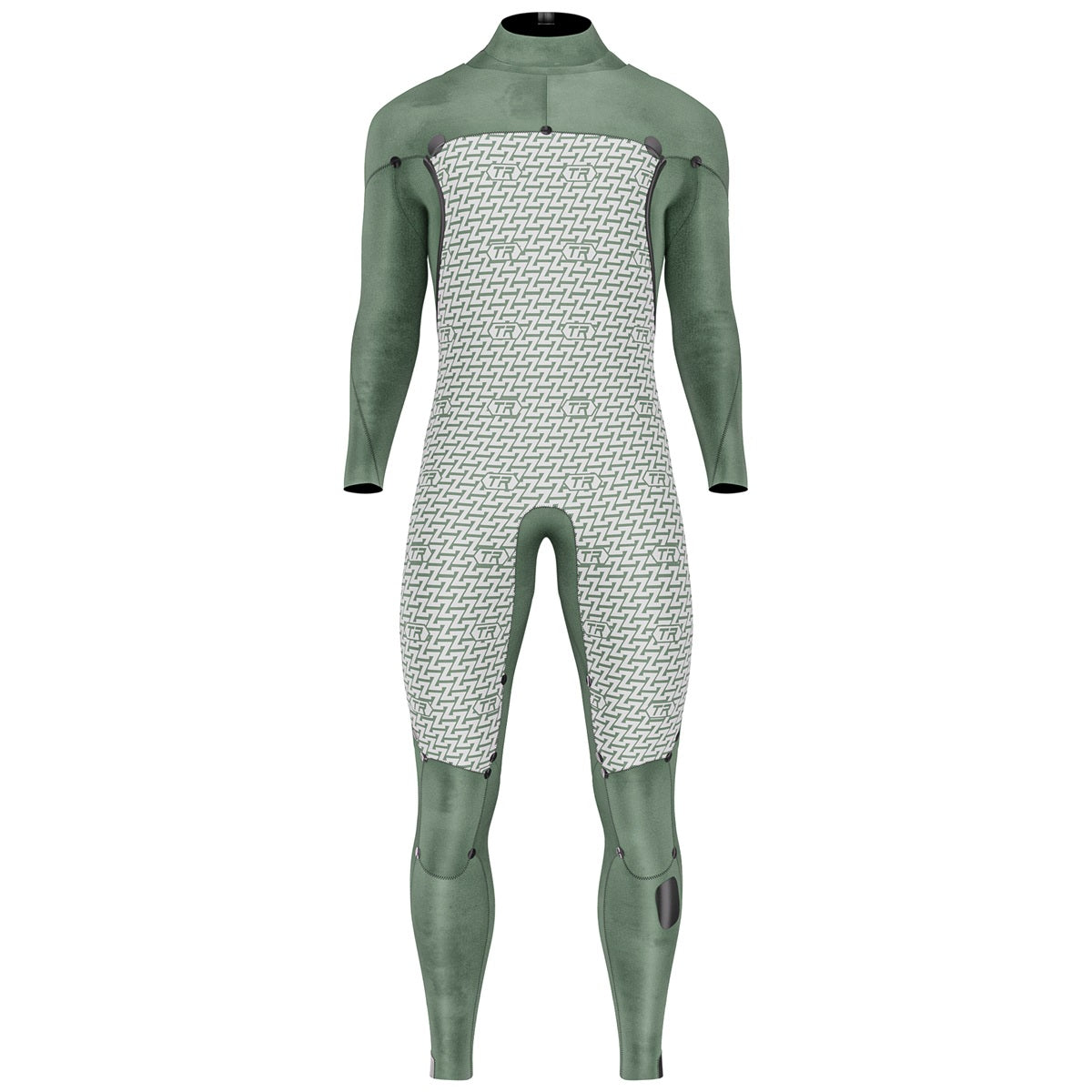
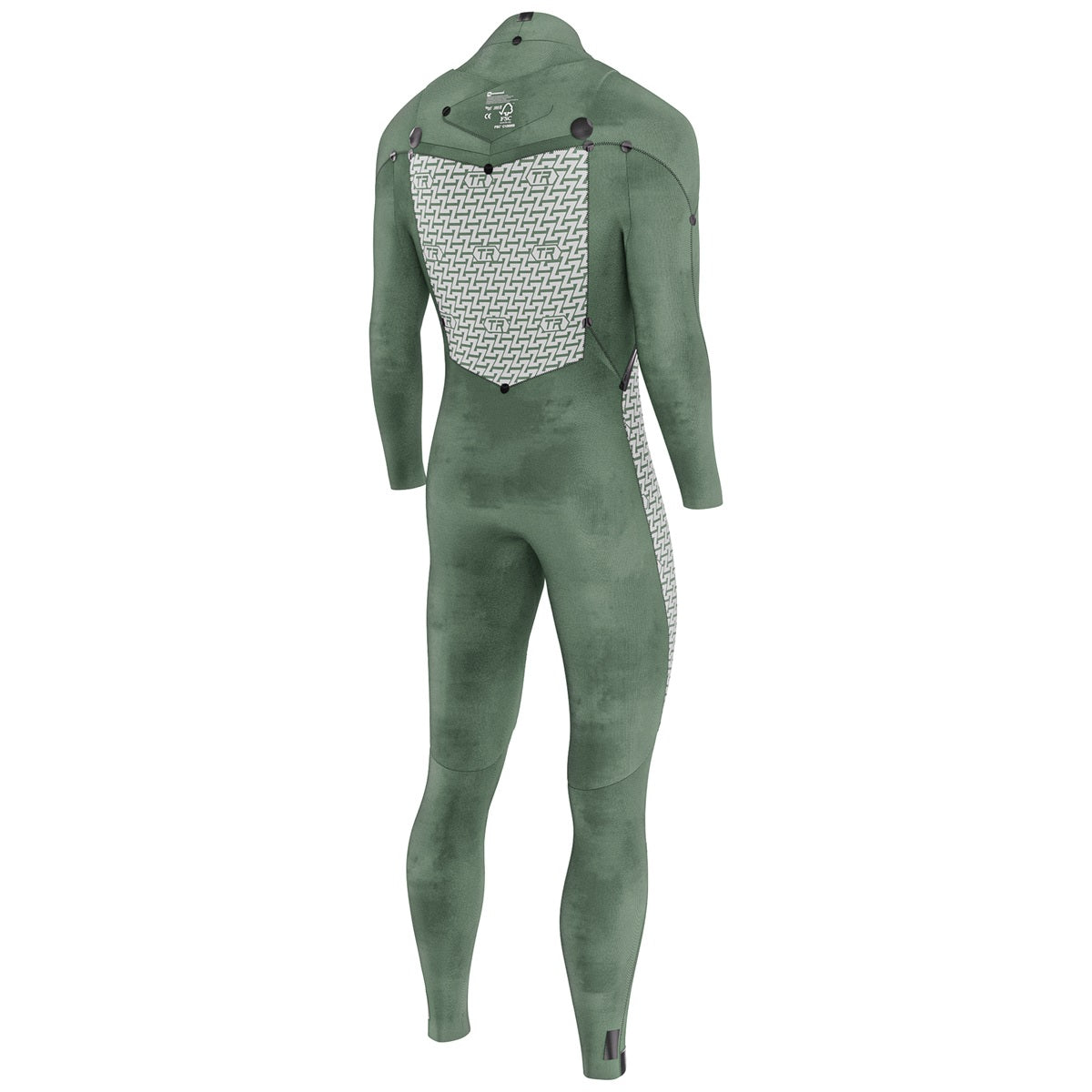
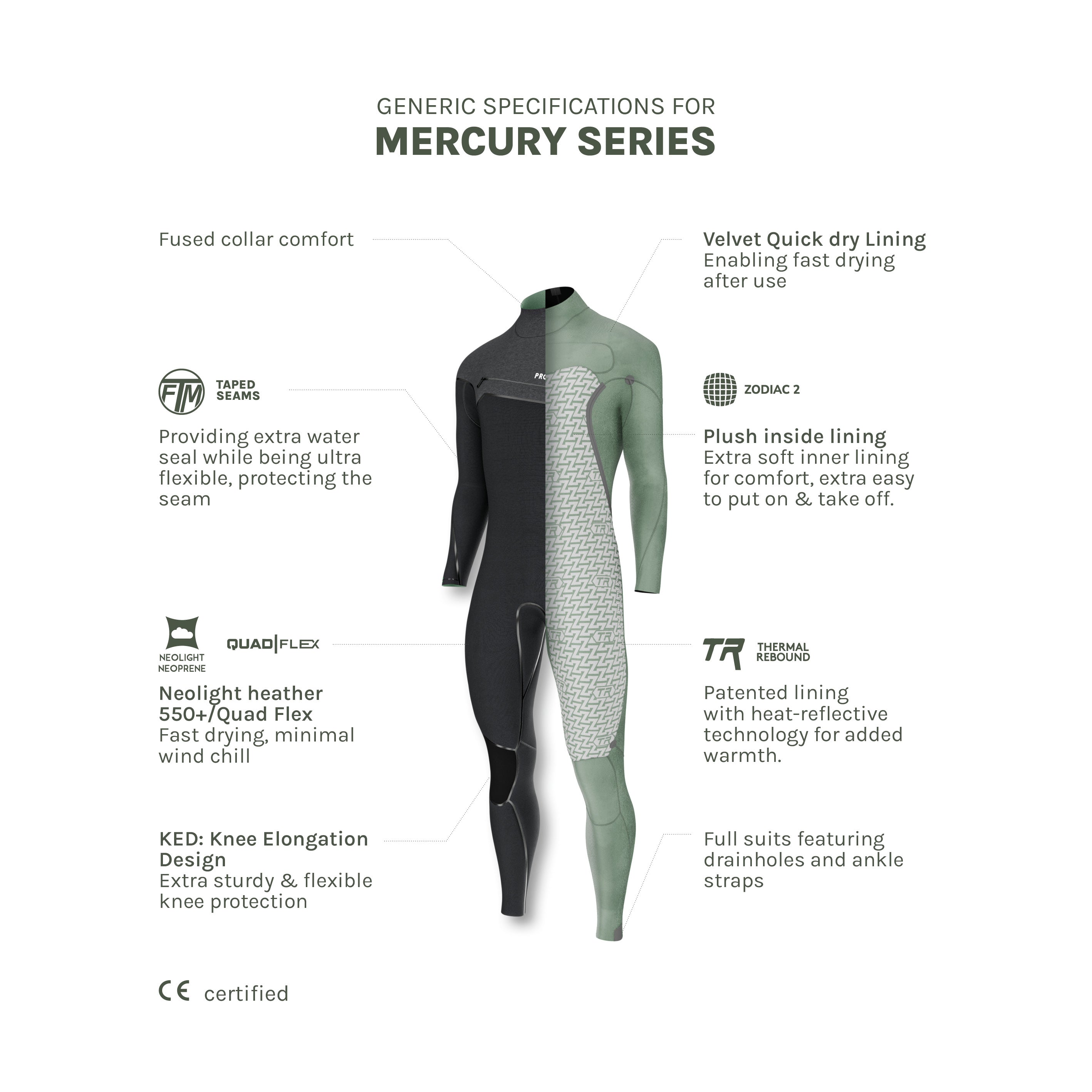
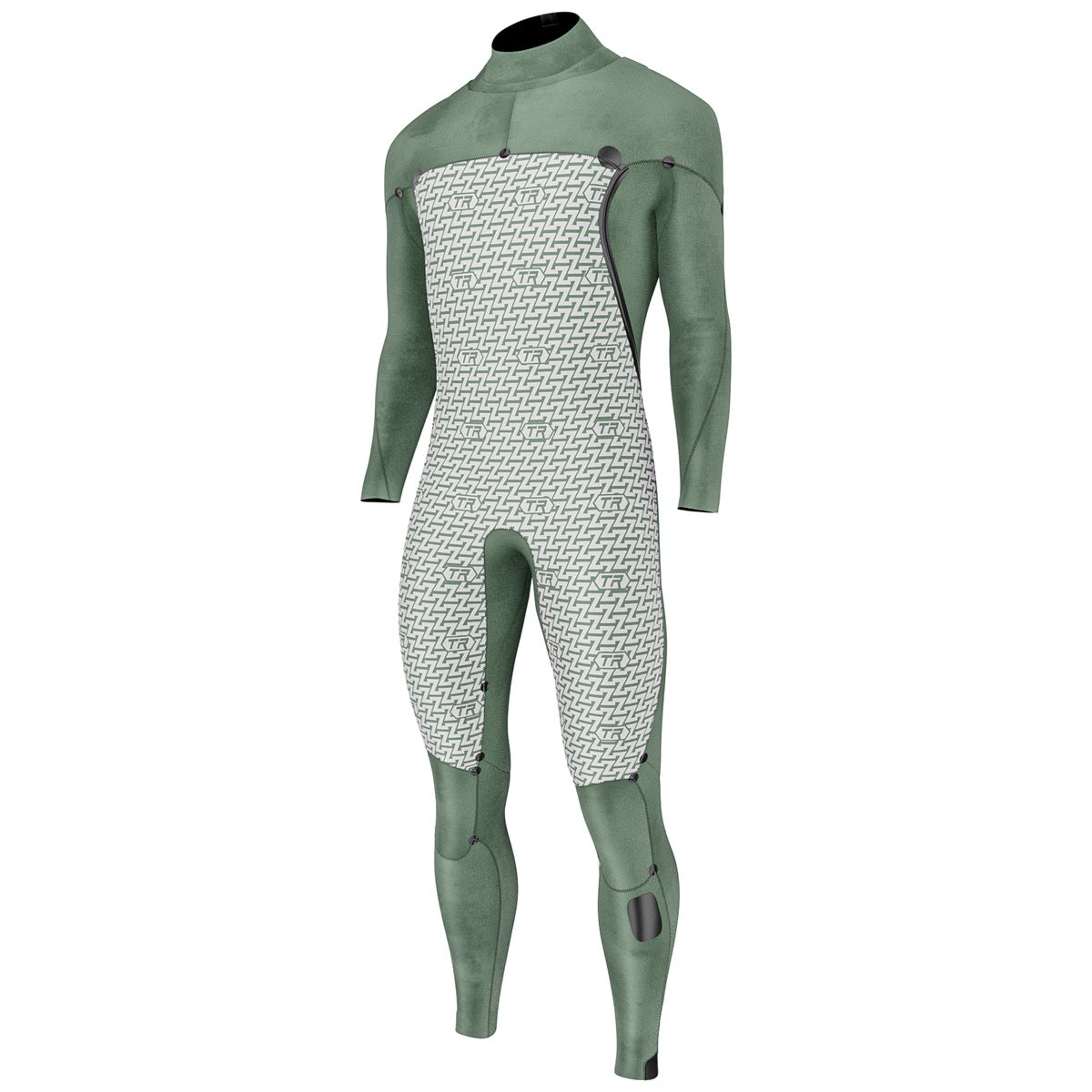
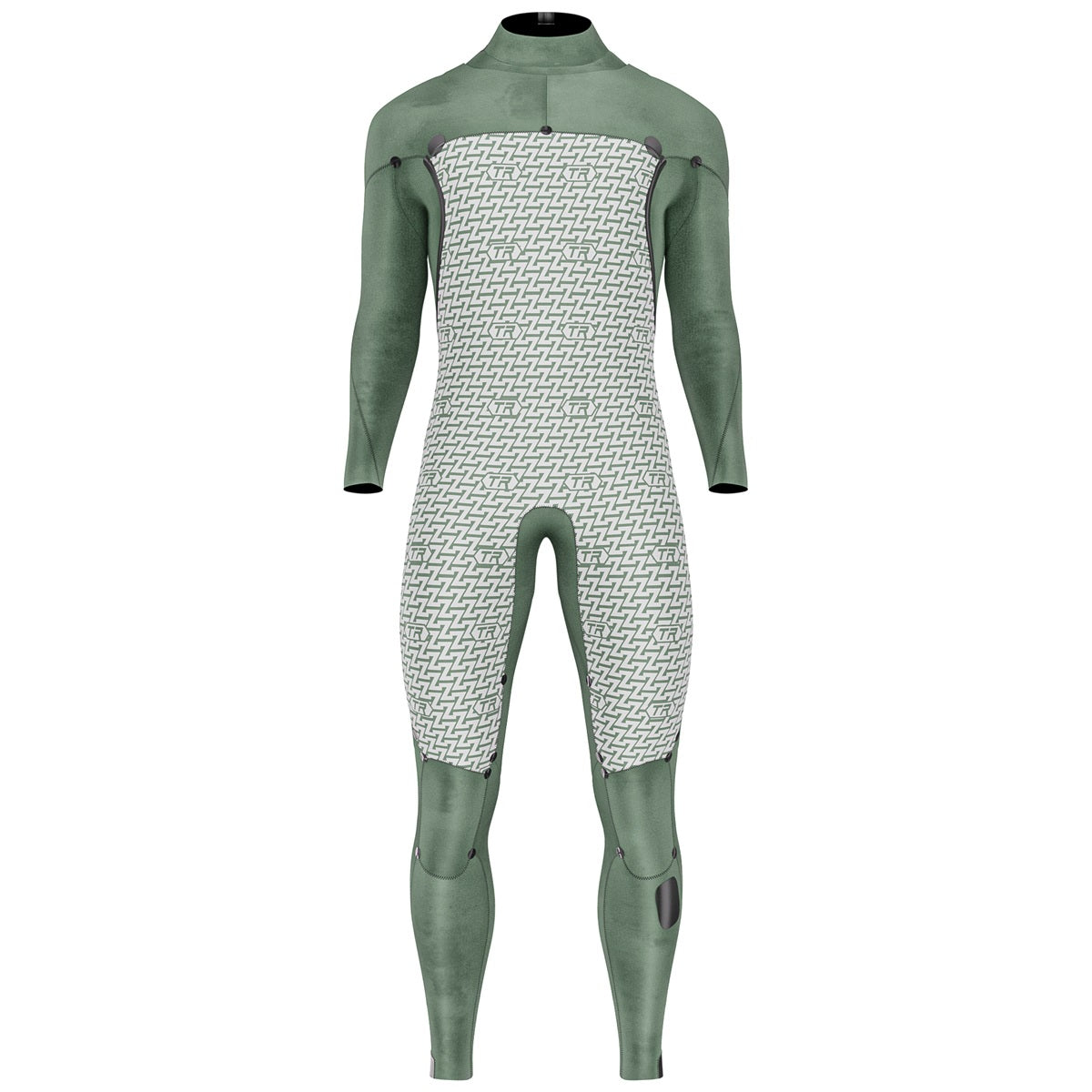
On the inside, we protect with a technology that was originally invented by NASA, the thermal rebound layer, which adds a fourth layer to the wetsuit that acts like a survival blanket reflecting your body heat.
Premium winter wetsuits use advanced Natureprene blends and premium knitting technology on inner and outer linings to retain stretch even when the water temperature drops.
Insulation and Heat Retention in Cold-Water Wetsuits
Insulation in cold-water wetsuits comes from a combination of thickness and internal lining, but most of it for surface wetsuits comes from the air trapped inside the Natureprene layer.
More air gives cold-water Natureprene suits higher stretch and higher insulation. Thermal linings reflect body heat back toward the skin while improving moisture management, helping suits feel warmer without adding unnecessary bulk.
This allows cold-water wetsuits to stay warm during long sessions – not just the first few minutes in the water.

How Cold-Water Wetsuit Construction Works: The Details That Matter
Cold-water wetsuits rely on a combination of materials and construction methods working together. Each element plays a specific role in warmth, flexibility, and durability, and understanding how they interact helps explain why some wetsuits feel warmer, stretchier, or more comfortable than others.
Zippers: Entry and Water Control
Zippers affect more than just how easy a wetsuit is to put on. In winter wetsuits, zipper placement and design are critical for limiting water entry and heat loss.
Free-X, C-Zip and Free-Zip systems reduce the size of the opening across the body, which helps minimize flushing but also significantly increases stretch compared to traditional back zips, whose vertical position along the spine can be stiff.
Fewer openings mean less cold water moving through the suit, keeping internal temperatures more stable during long sessions. Well-designed zipper systems also allow a snug fit around the neck and shoulders without restricting movement.

Seams: Holding Warmth Where It Counts
Seams are one of the biggest factors in winter wetsuit performance. Every seam is a potential entry point for cold water if it isn’t properly sealed.
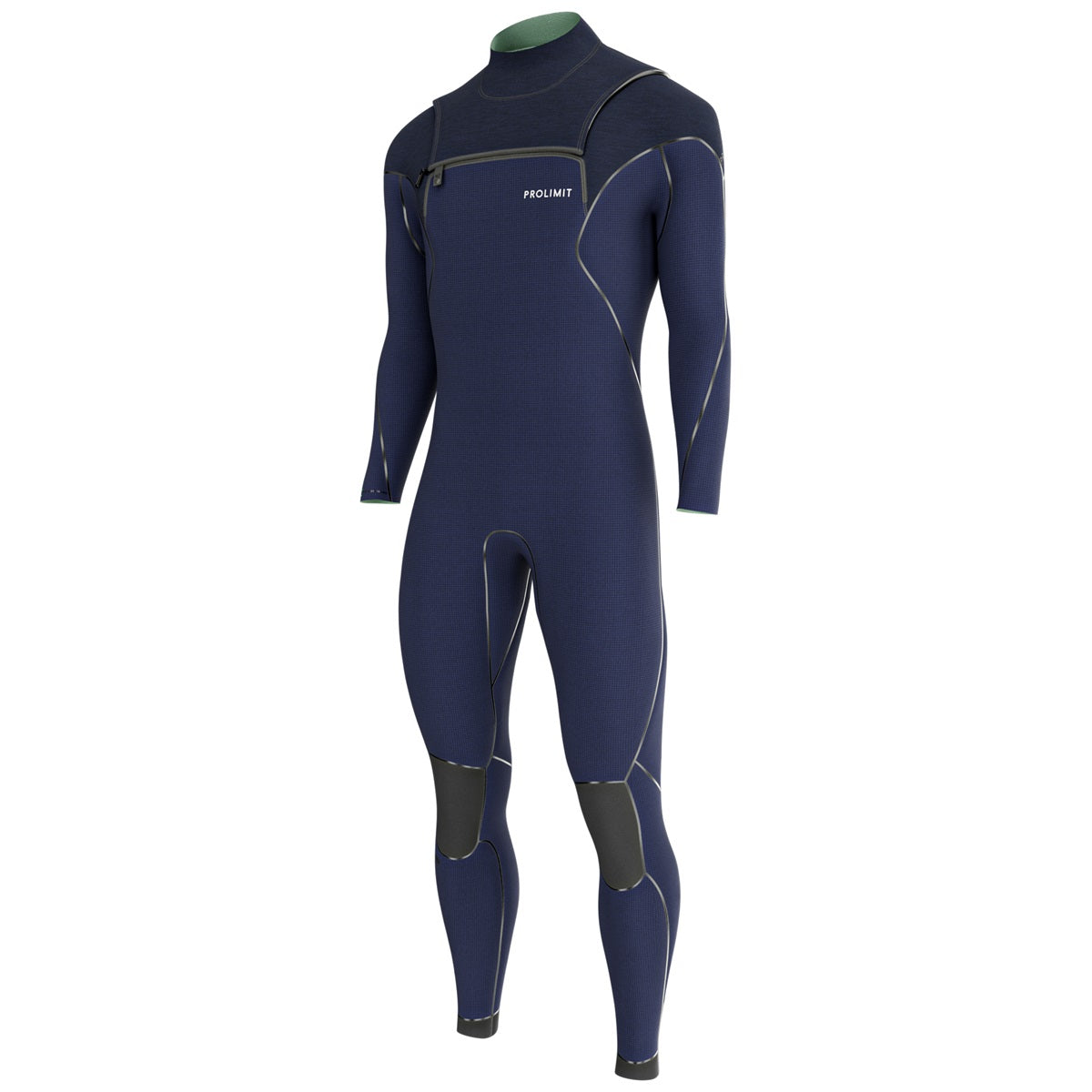
High-quality winter wetsuits use triple-glued and blind-stitched seams, which are taped on the critical areas and reinforced with internal taping or outer FTM liquid sealing. This construction keeps panels securely bonded while maintaining flexibility.
The result is a wetsuit that limits water movement inside the suit, helping retain warmth and improve durability without making the suit feel stiff.
Material: Stretch, Warmth and Feel
The base Natureprene material determines how a wetsuit moves with your body. In cold water, lower-quality materials can become rigid due to aging and UV damage, making paddling or riding feel labored.
Premium cold-water wetsuits use advanced Natureprene blends designed to stay flexible in low temperatures. These materials stretch more naturally, reduce fatigue, age less, have superior UV stability, and allow the suit to maintain warmth without relying solely on thickness.
Good material choice is what allows a cold-water wetsuit to feel responsive rather than bulky.
Lining: Insulation and Heat Retention
Internal lining is where much of a cold-water wetsuit’s warmth comes from. Thermal linings trap body heat, reflect it back toward the skin, and help wick moisture away so the suit dries faster between sessions.
A quality lining allows a wetsuit to feel warmer without adding extra neoprene thickness. This improves comfort during long sessions and makes winter suits more versatile across changing conditions.

Spotlight: Prolimit Cold Water Wetsuits
Mercury — Maximum Warmth Without Compromise
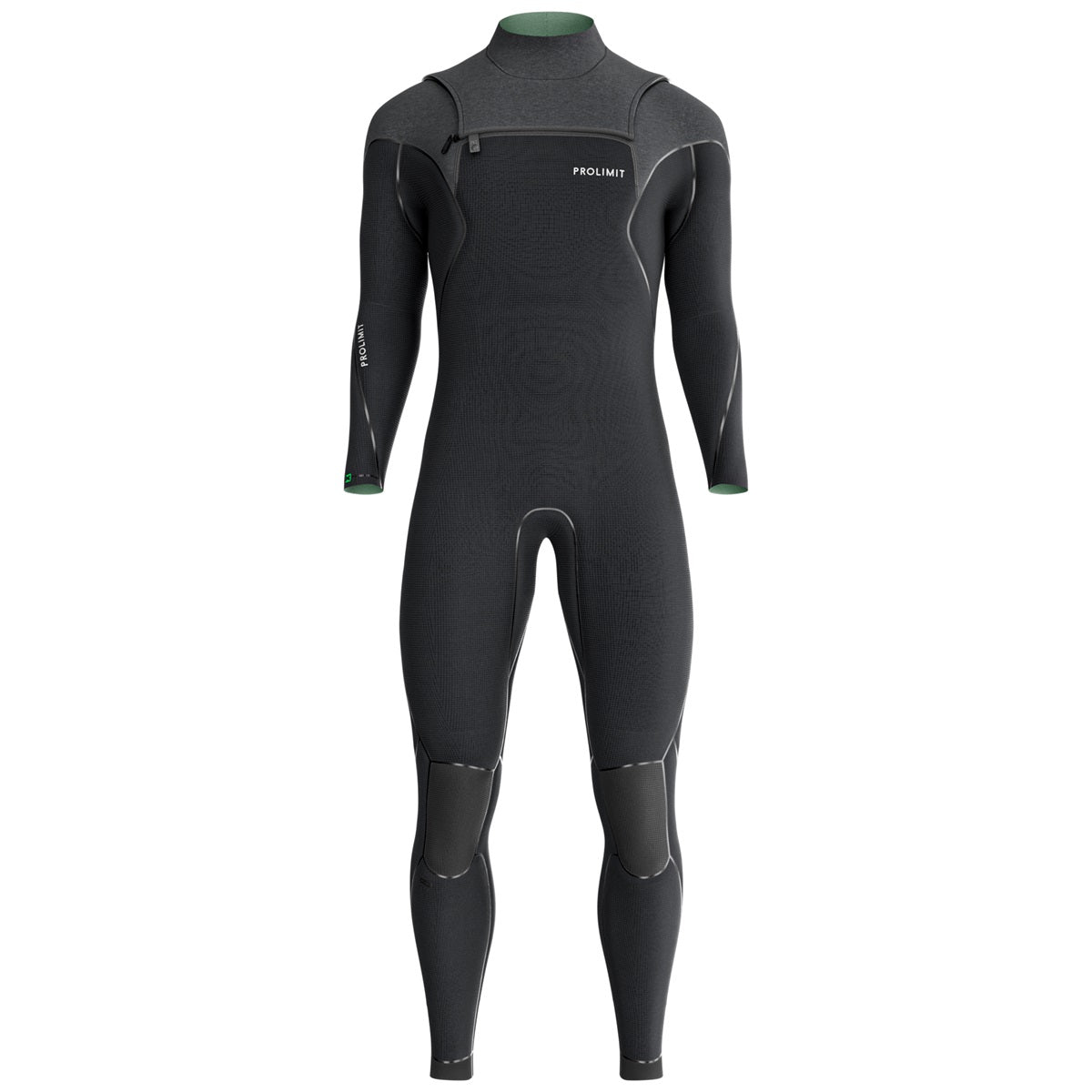
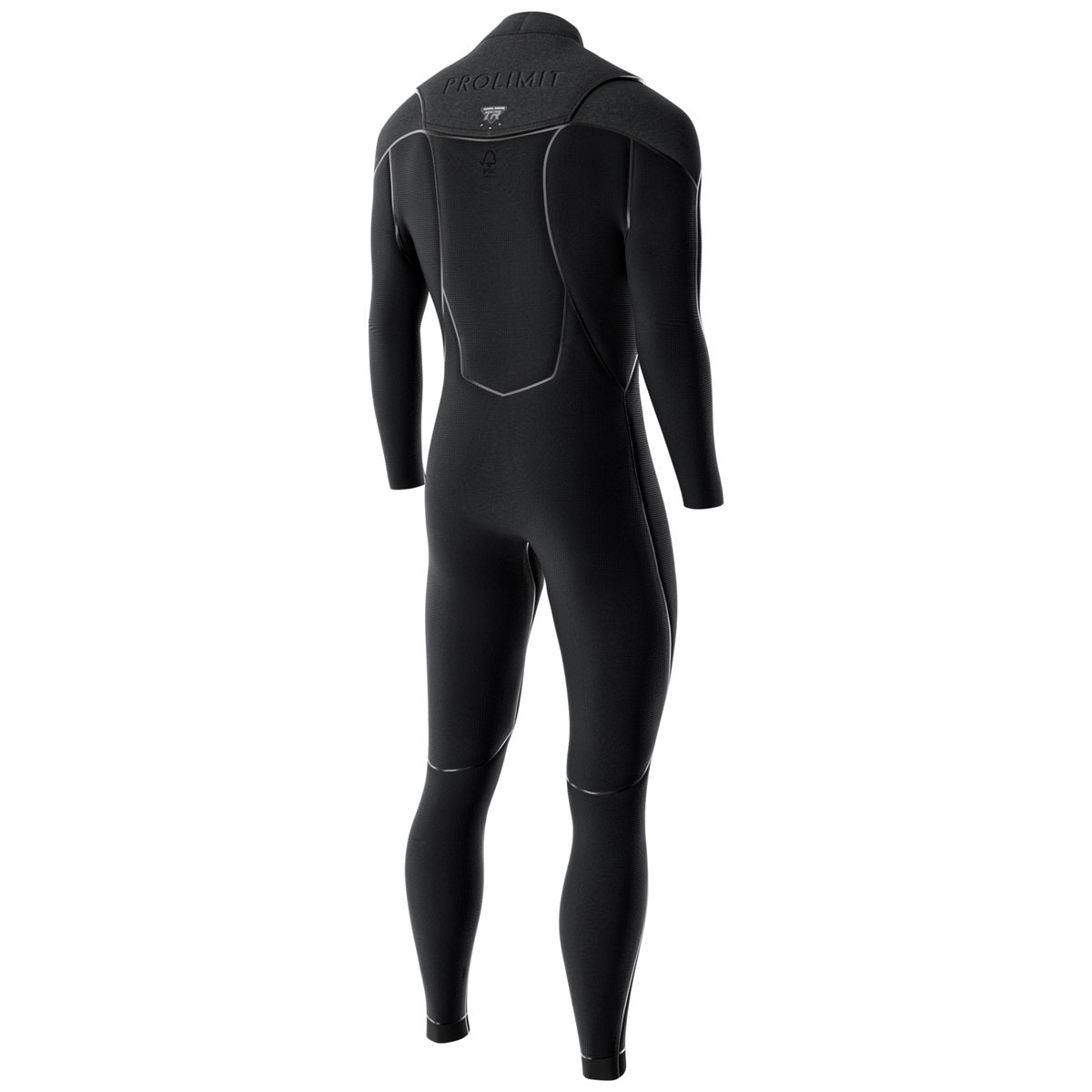
The Mercury is built for cold-water riders who want premium, top-level insulation while maintaining flexibility. Advanced thermal lining, 4-layer Natureprene technology, premium materials, and a focus on sealing make it a go-to winter suit for long, demanding sessions. It’s designed to keep warmth consistent without feeling heavy or restrictive.
Predator — Durable Warmth for Regular Winter Use
The Predator is designed for riders who spend a lot of time in cold water and want a reliable, durable winter suit. Compared to the market, this is what our competition offers as their high-end construction. With a focus on insulation and long-term performance, it provides dependable warmth while still allowing enough flexibility for active riding.
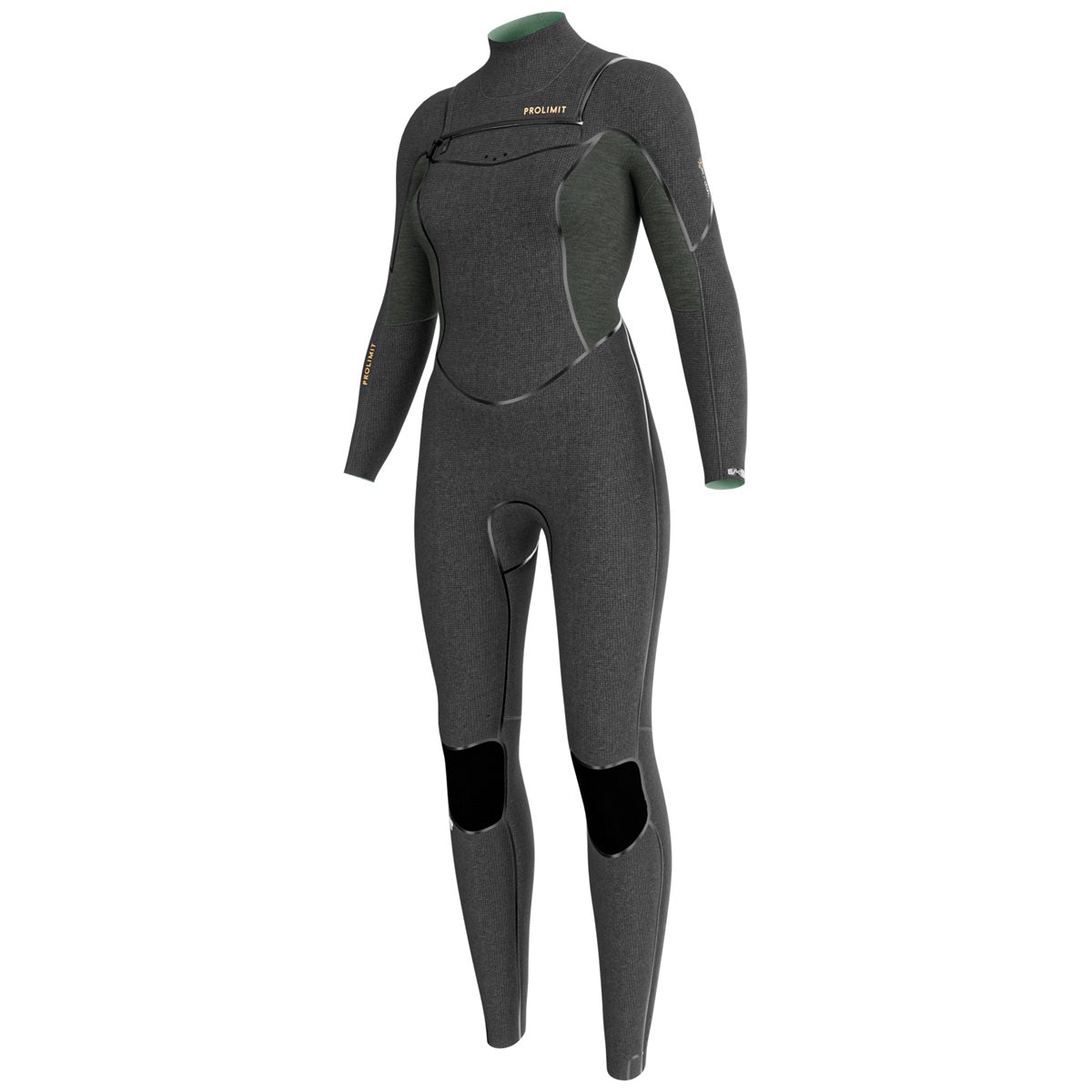
Oxygen — Lightweight Feel, Cold-Water Performance
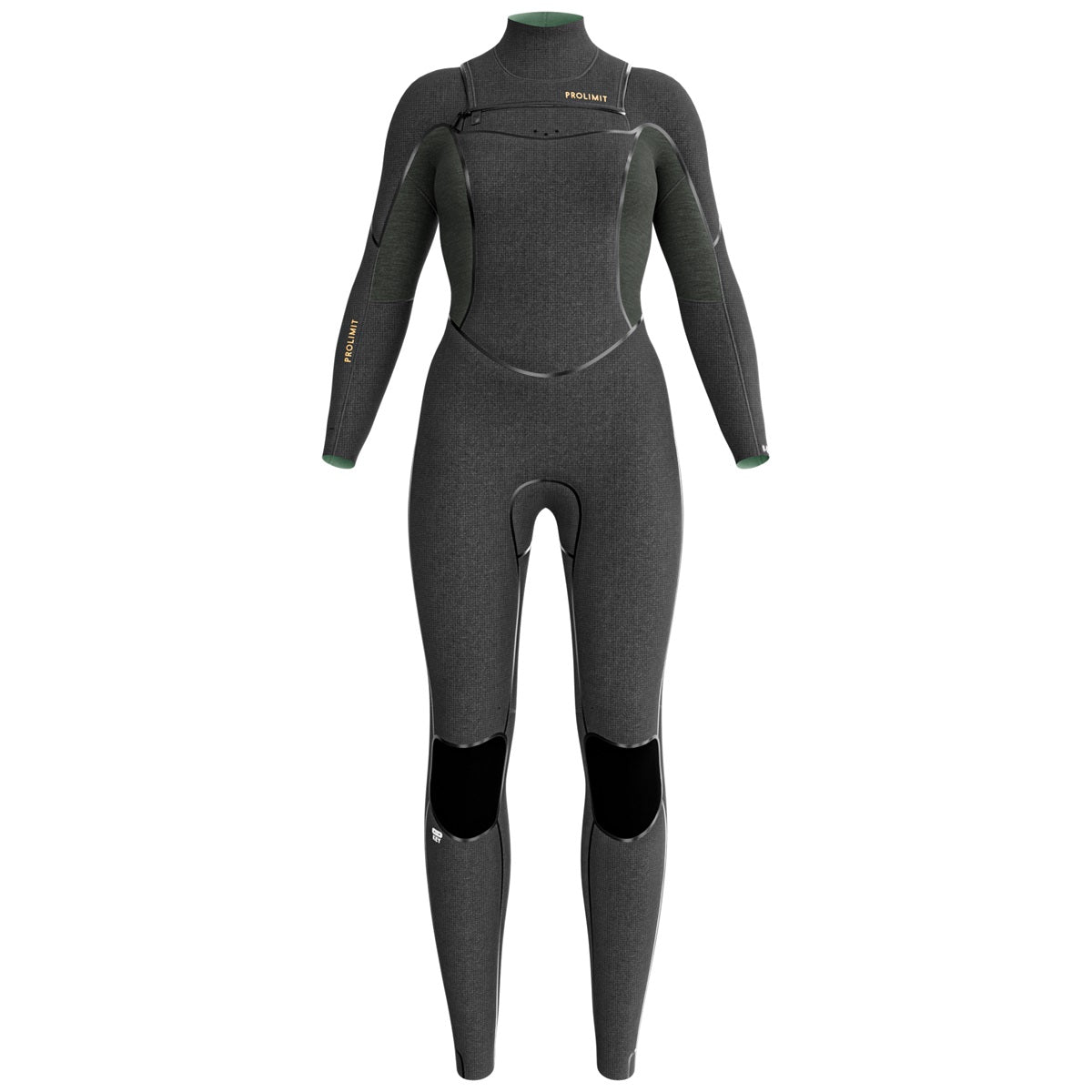
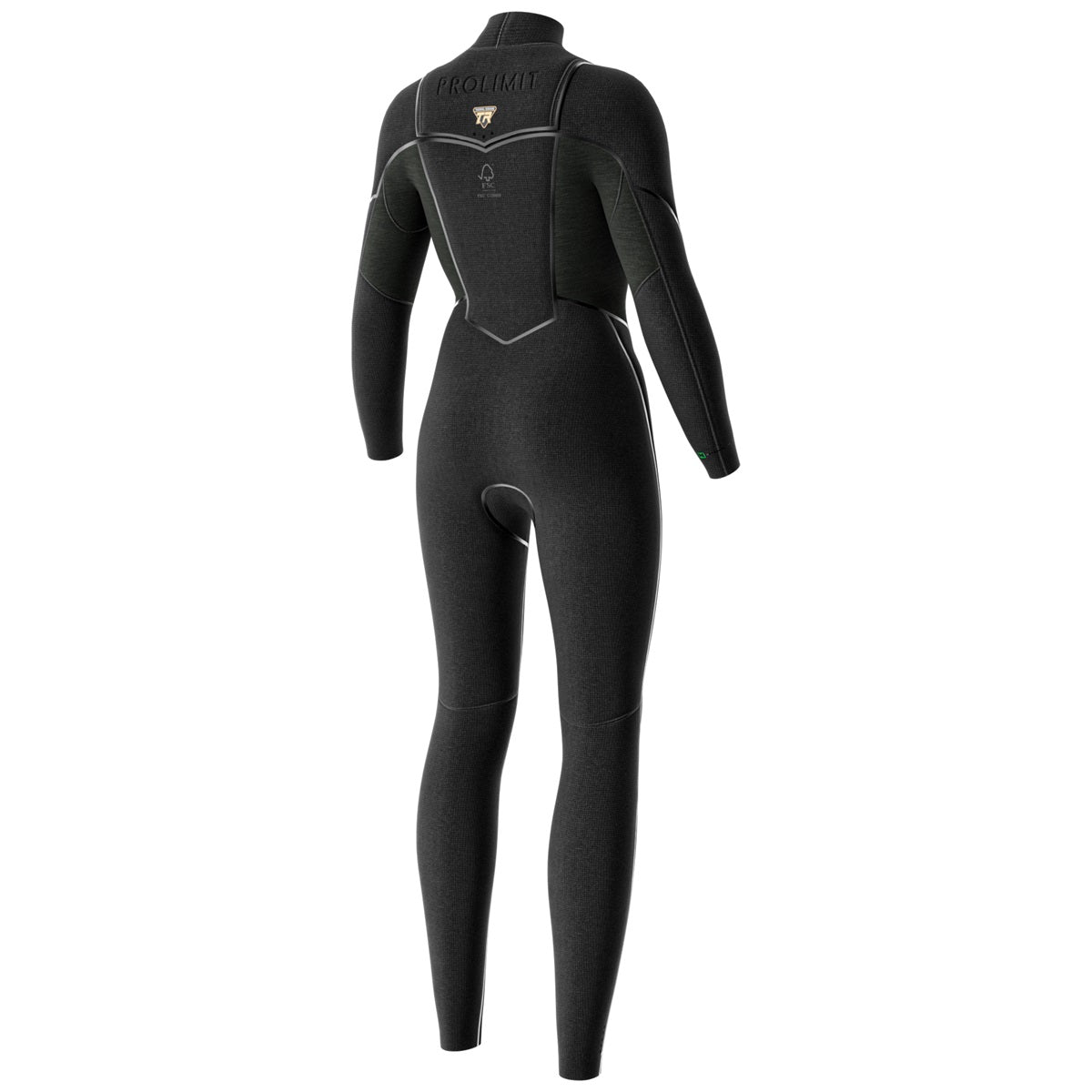
The Oxygen balances warmth and freedom of movement, making it a strong choice for riders who prioritize stretch and comfort even in colder conditions. Its construction is similar to the men’s Mercury suits, offering FTM seams, Thermal Rebound 4-layer Natureprene construction, and a focus on sealing.
This makes it a go-to winter suit for long, demanding sessions while maintaining a lightweight feel. It’s designed to keep warmth consistent without feeling heavy or restrictive.
Choosing the Right Winter Wetsuit
The best winter wetsuit isn’t just the warmest – it’s the one that suits your water temperature, activity, and performance expectations. Advanced riders often look for a balance between insulation, stretch, and feel, ensuring the wetsuit supports long sessions without holding them back.