

Words by Peri Roberts
If you’ve ever worn a thick wetsuit and still ended a session cold, you’re not alone. Cold-water comfort isn’t just about wetsuit thickness – it’s about how your entire setup works together. Heat loss doesn’t happen evenly, and in colder conditions it’s often your hands, feet, head, or neck that shut a session down early.
Prolimit designs cold-water gear as a system. When wetsuits and accessories are layered correctly, they reduce heat loss, limit flushing and help you stay comfortable for longer – without resorting to over-bulky suits that restrict movement.
Start With the Wetsuit: Your Base Layer
Your wetsuit is the foundation of any cold-water setup. Thickness should be matched to water temperature, not just season, and balanced against how active you are in the water. A well-fitting wetsuit with good sealing does more for warmth than simply going thicker.
Different activities generate and retain heat differently, which is why Prolimit offers dedicated wetsuit ranges for:
– Windsports wetsuits (kite, windsurf, wing)
– Surf & foiling wetsuits
– SUP wetsuits
Once your base layer is right, accessories are what turn a wetsuit into a true cold-water system.
Why Accessories Matter in Cold Water
Most heat loss happens at the extremities. Cold water, wind chill and repeated immersion strip warmth quickly from hands, feet and the head. Accessories don’t just add insulation – they help seal entry points, reduce flushing and keep warmth consistent throughout a session.
Layering correctly allows you to stay warmer without needing the thickest wetsuit available.
The Cold-Water Layering System (Head to Toe)
Head & Neck
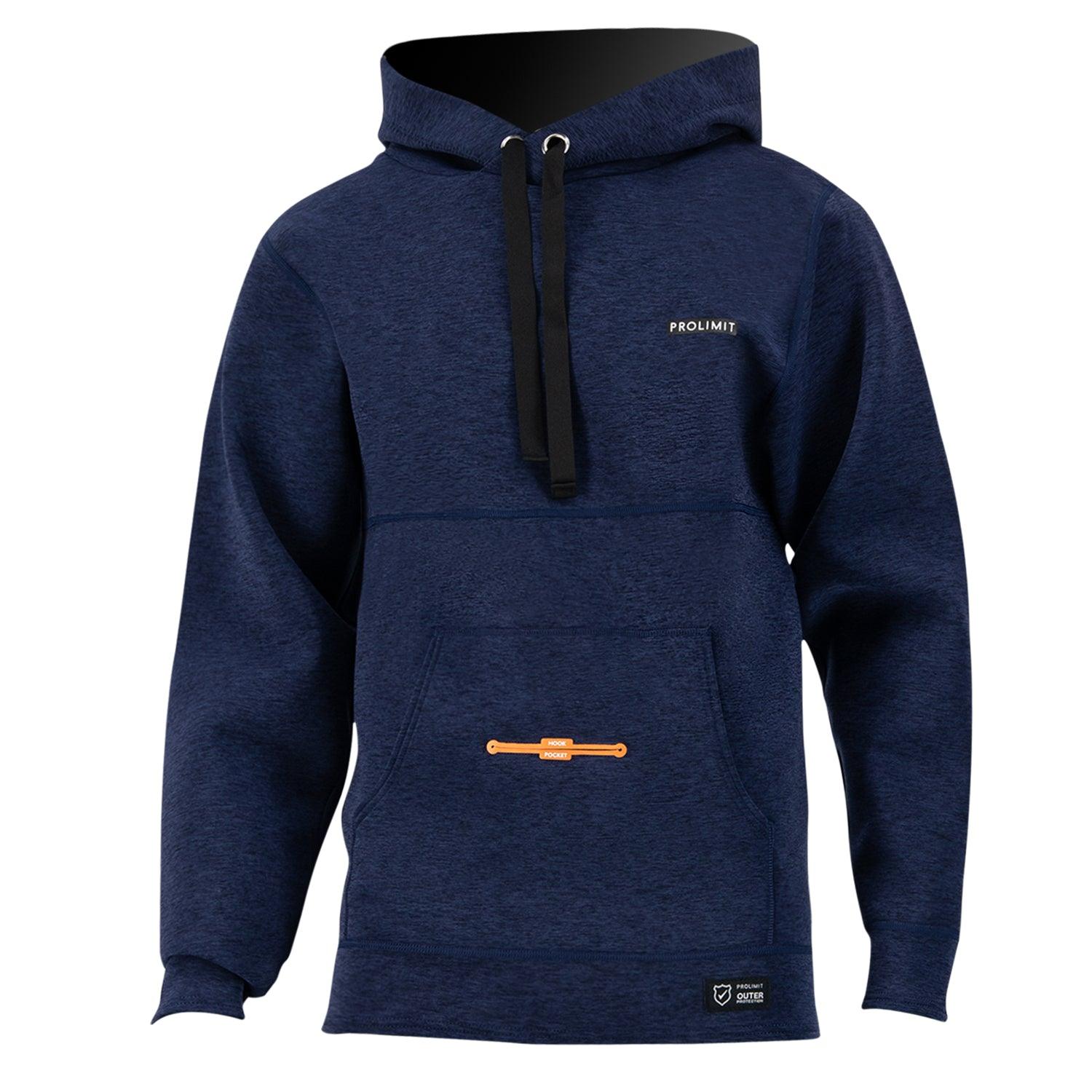
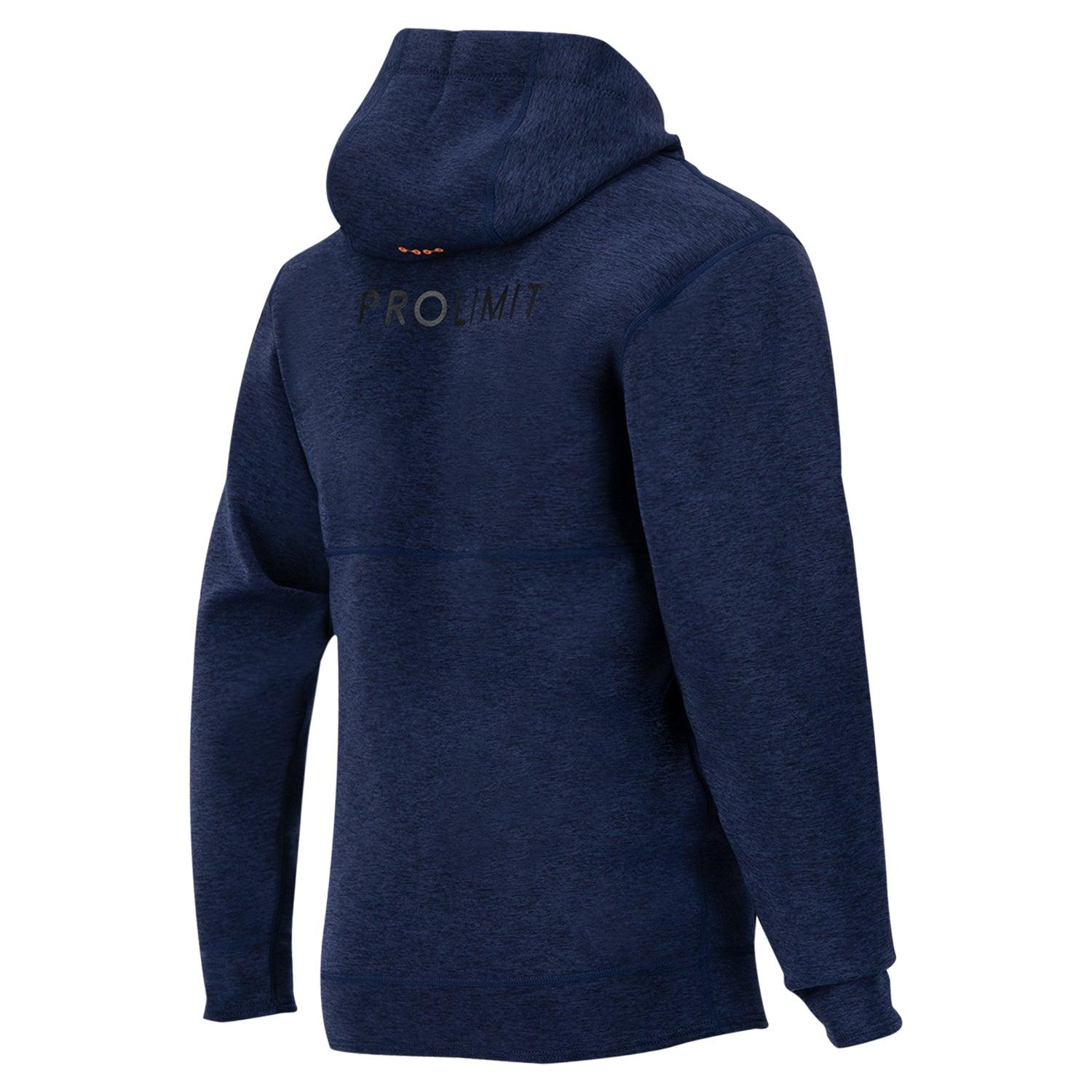
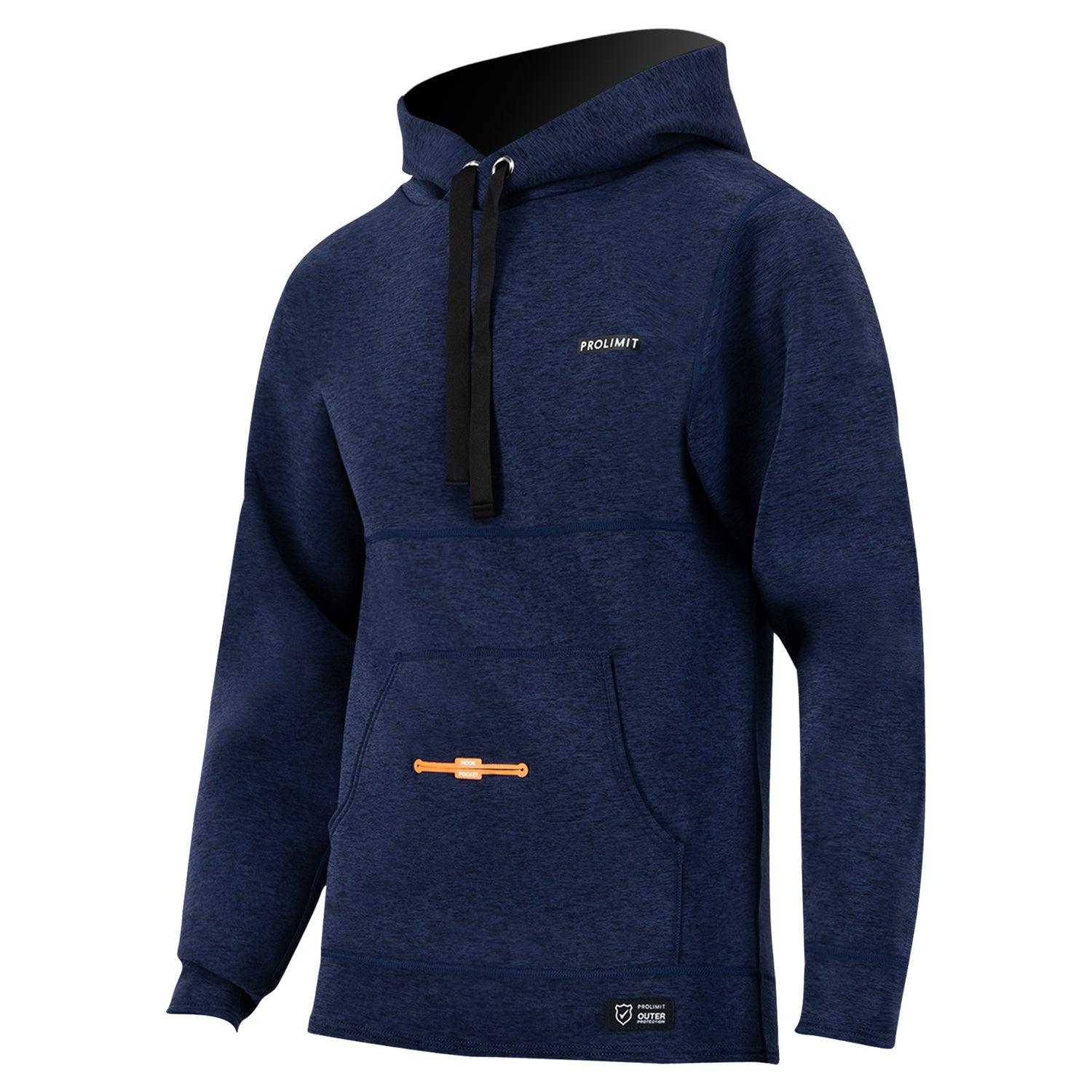
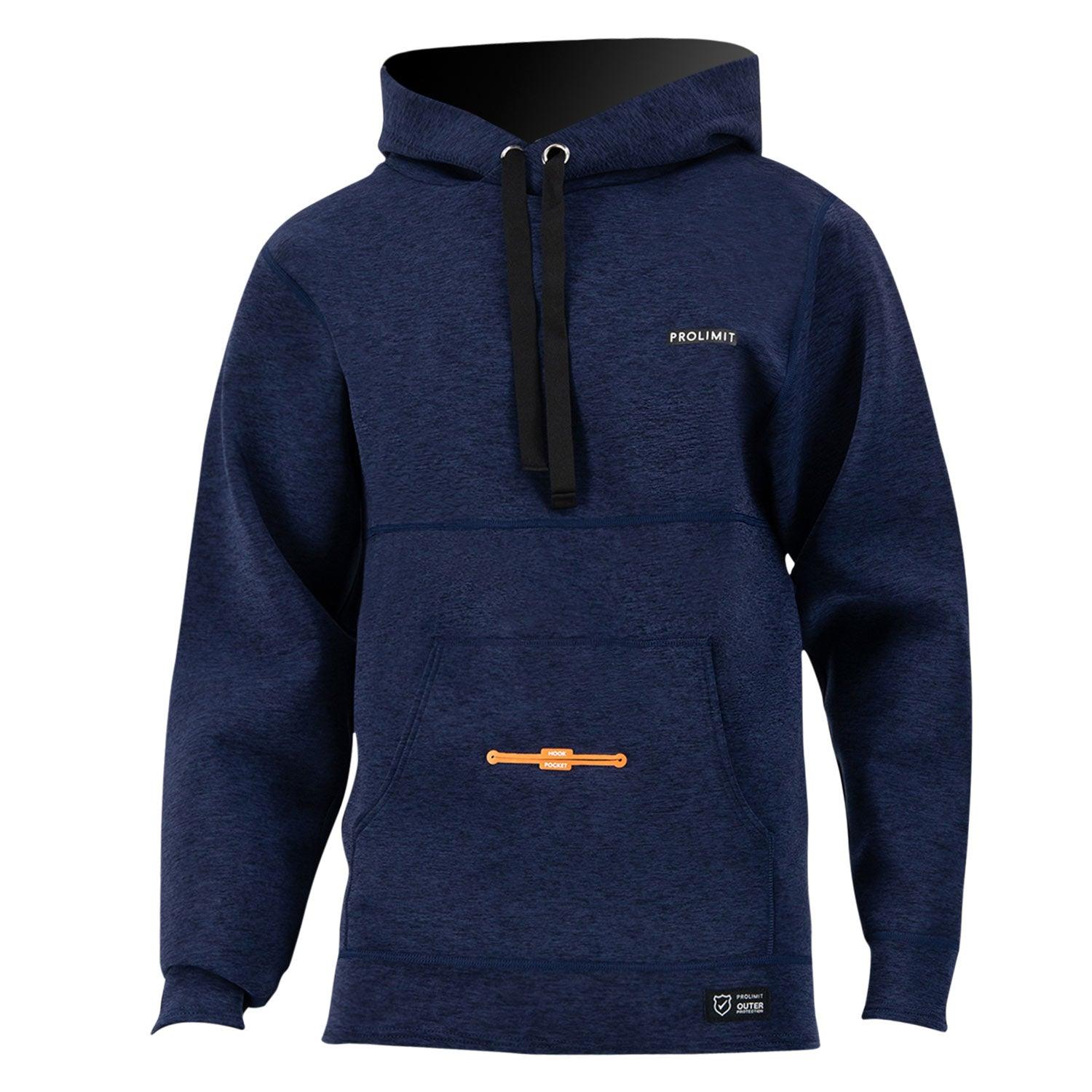
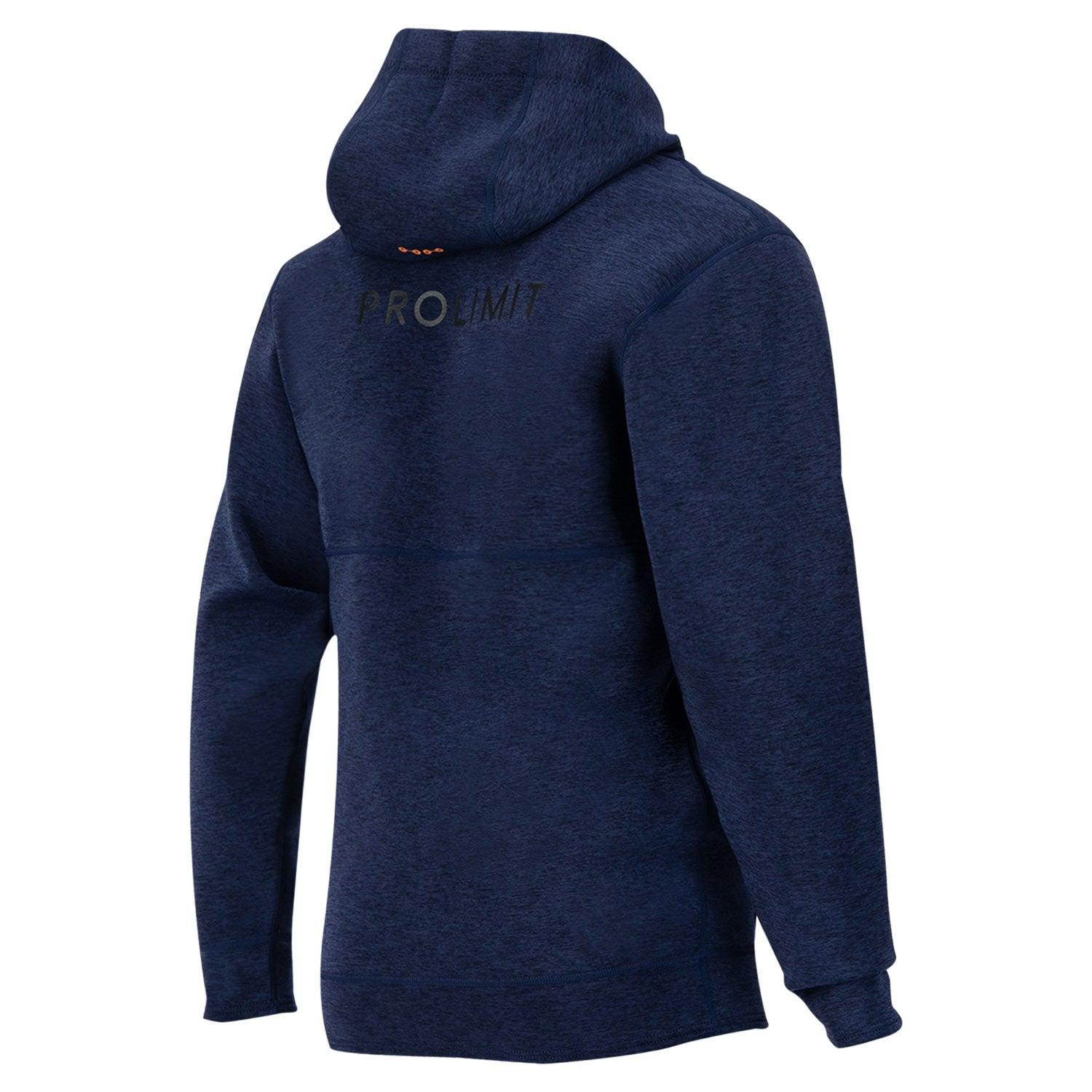
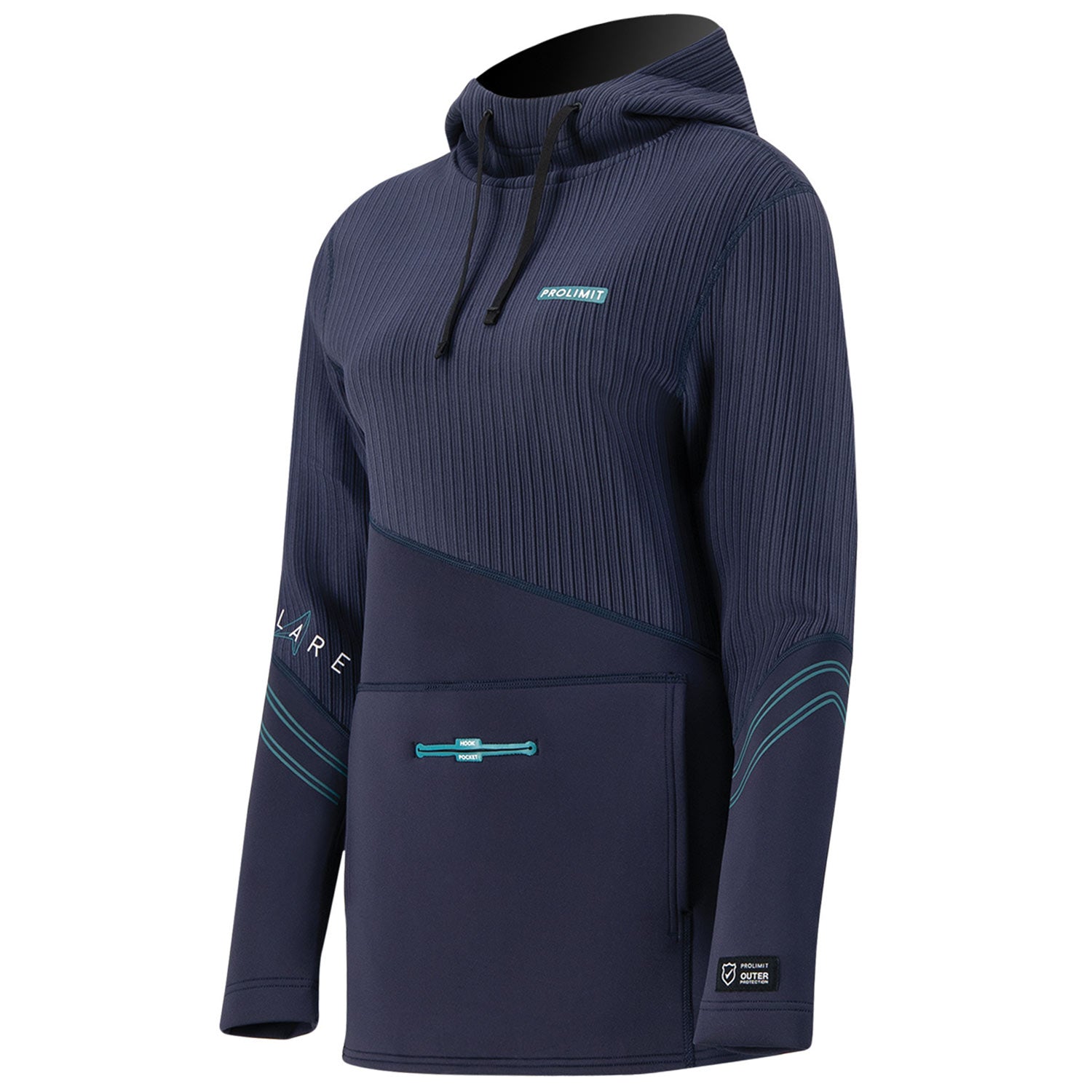
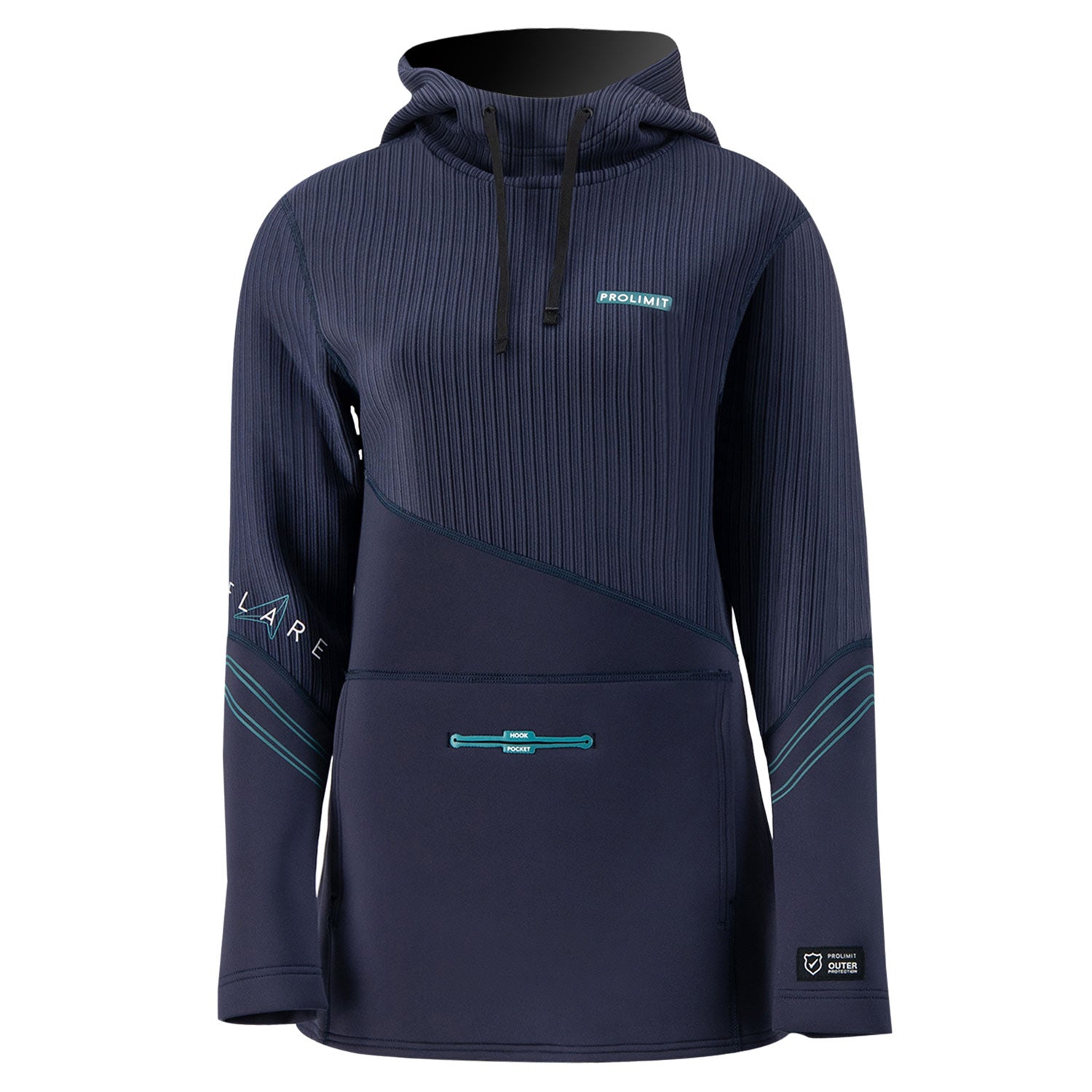
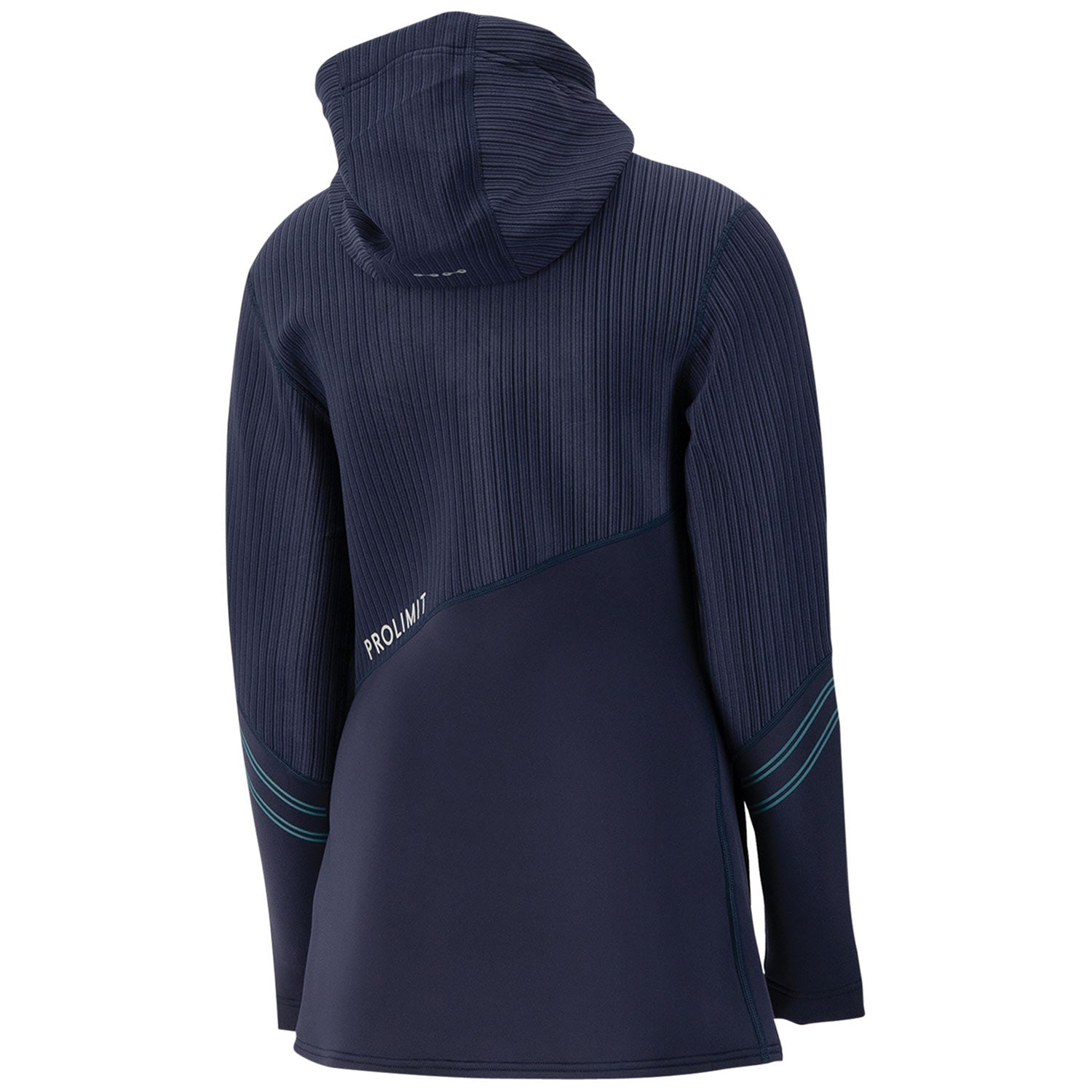
Hoods and hooded vests play a major role in cold-water comfort. Insulating the head reduces overall heat loss and helps prevent cold water from entering through the neck. Hooded vests are especially effective as a layering option under a wetsuit, adding warmth without restricting movement.
→ Explore hoods and thermal layers
Hands
Gloves and mittens protect one of the first areas to feel the cold. Gloves offer more dexterity, while mittens retain heat more efficiently by keeping fingers together. In colder water, sealing and fit often matter more than thickness alone.
→ Explore gloves & mittens
Feet
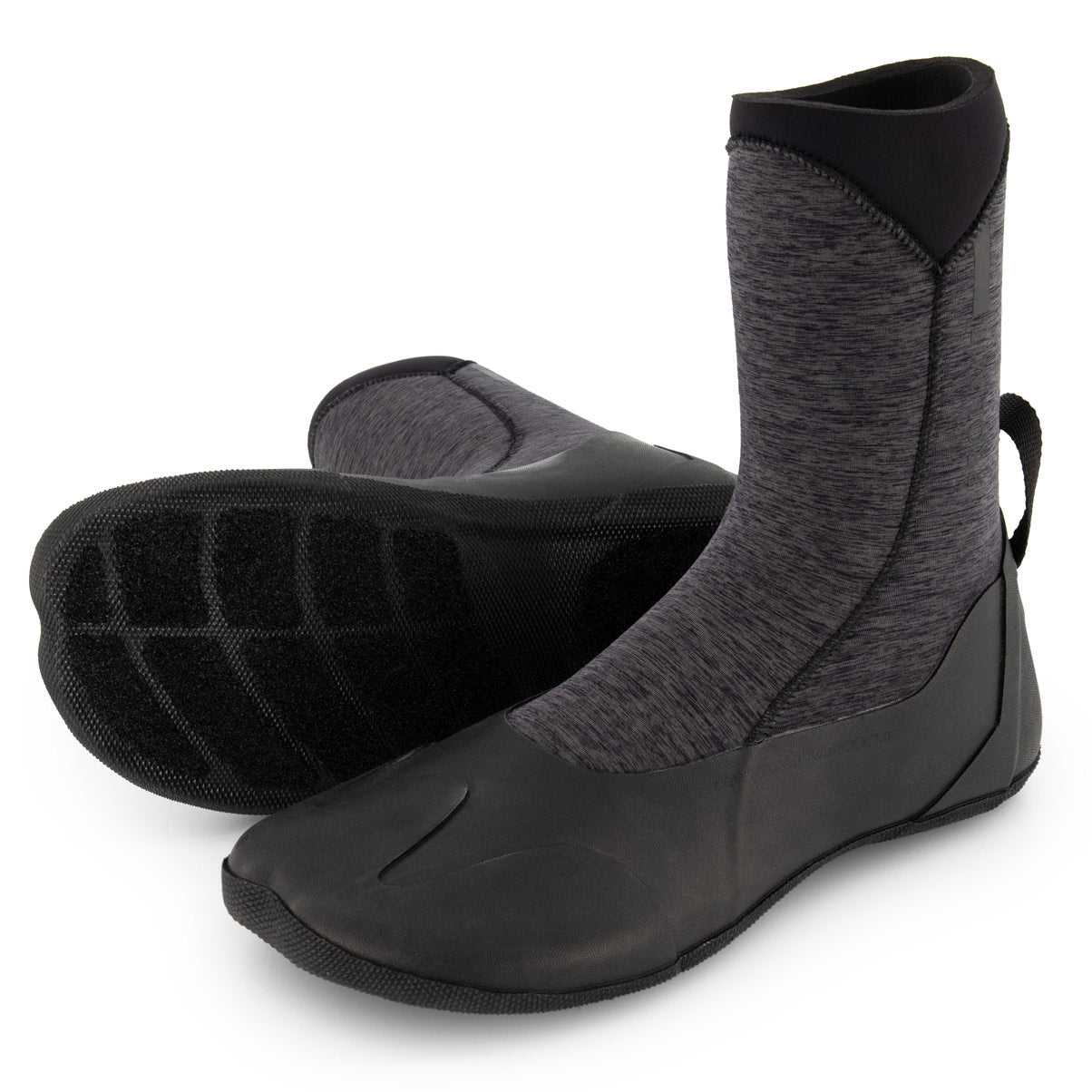
Cold feet quickly affect balance and endurance. Boots provide insulation, grip, and protection, while proper ankle sealing helps limit water entry. Choosing the right boot thickness keeps feet warm without sacrificing board feel.
→ Explore boots
Core Add-Ons
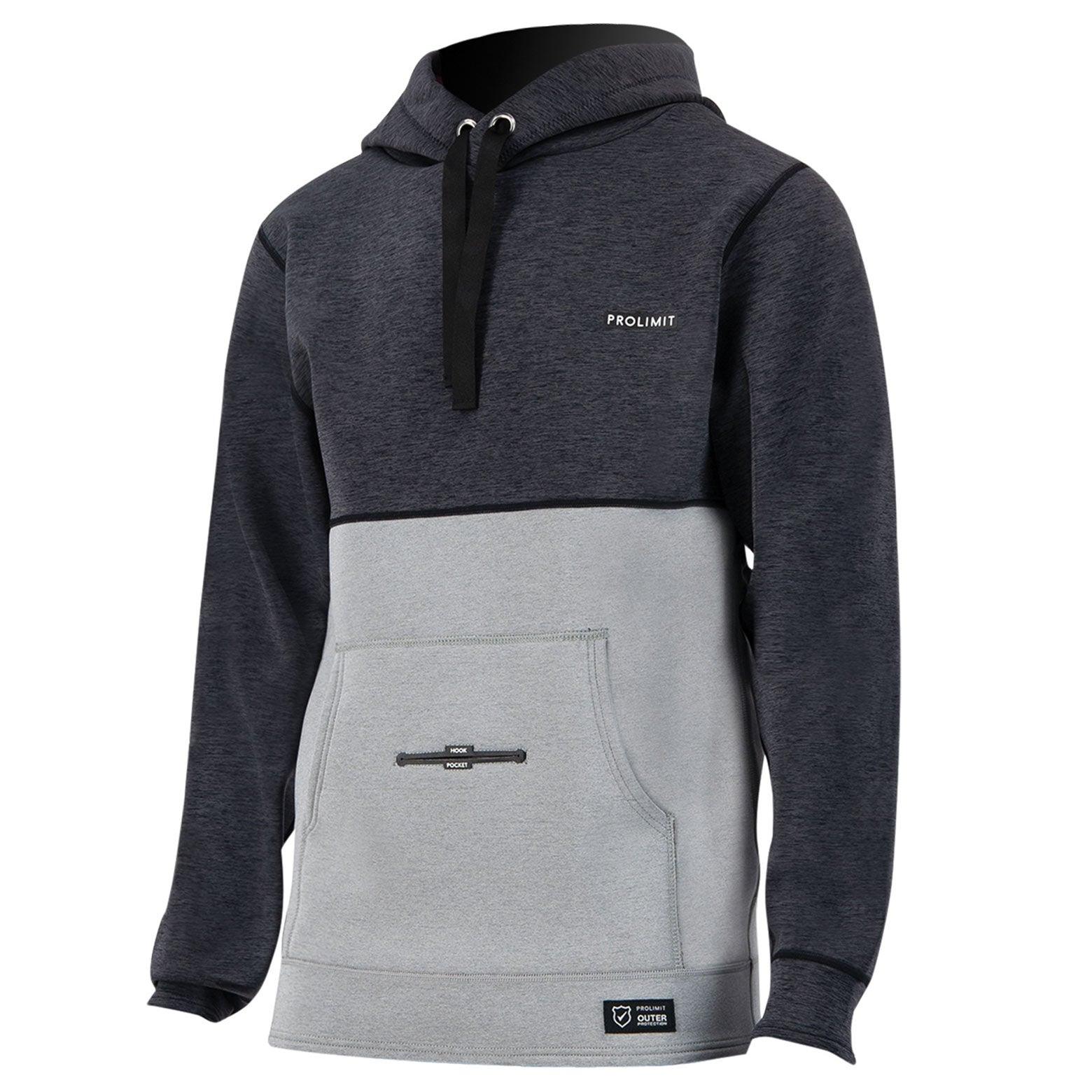
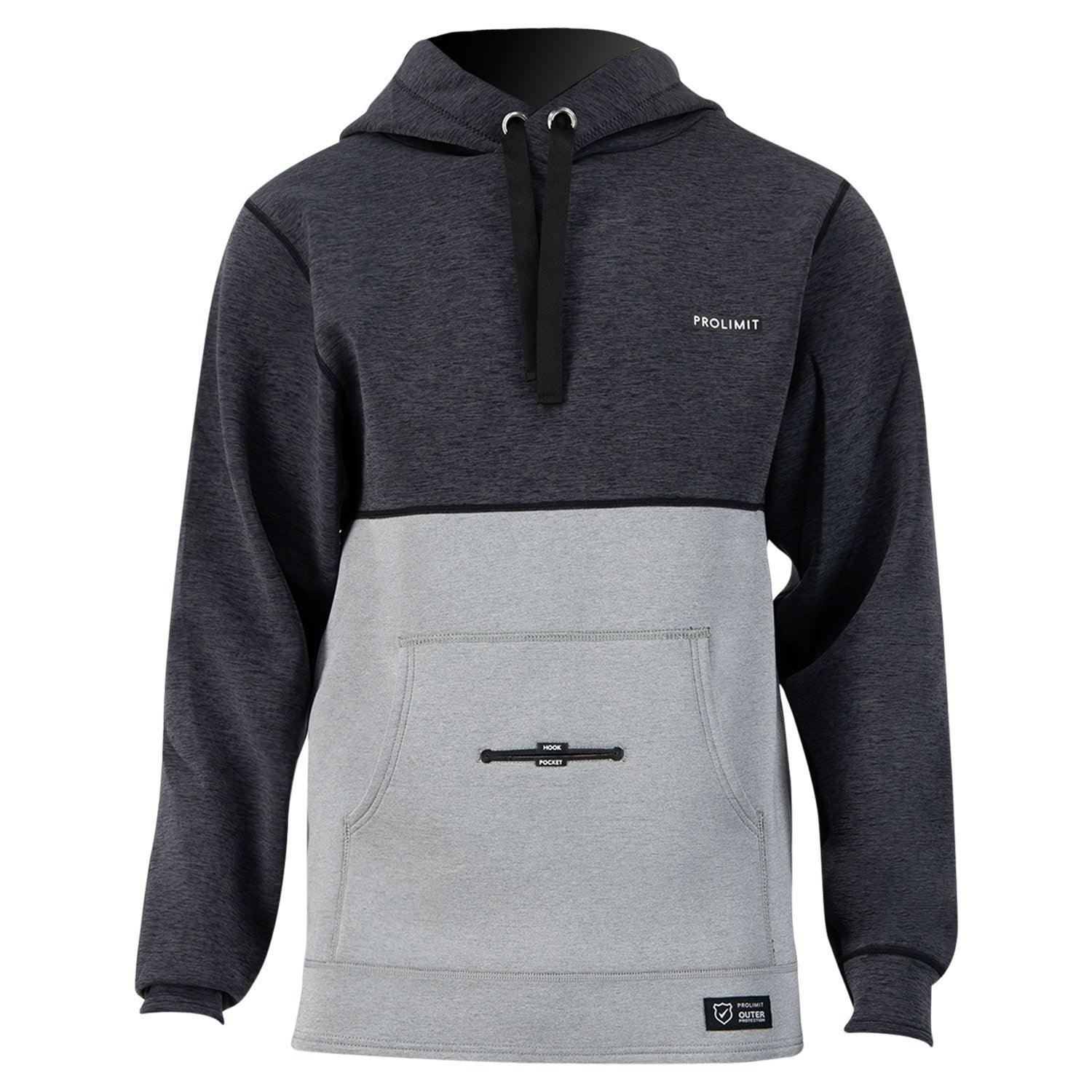
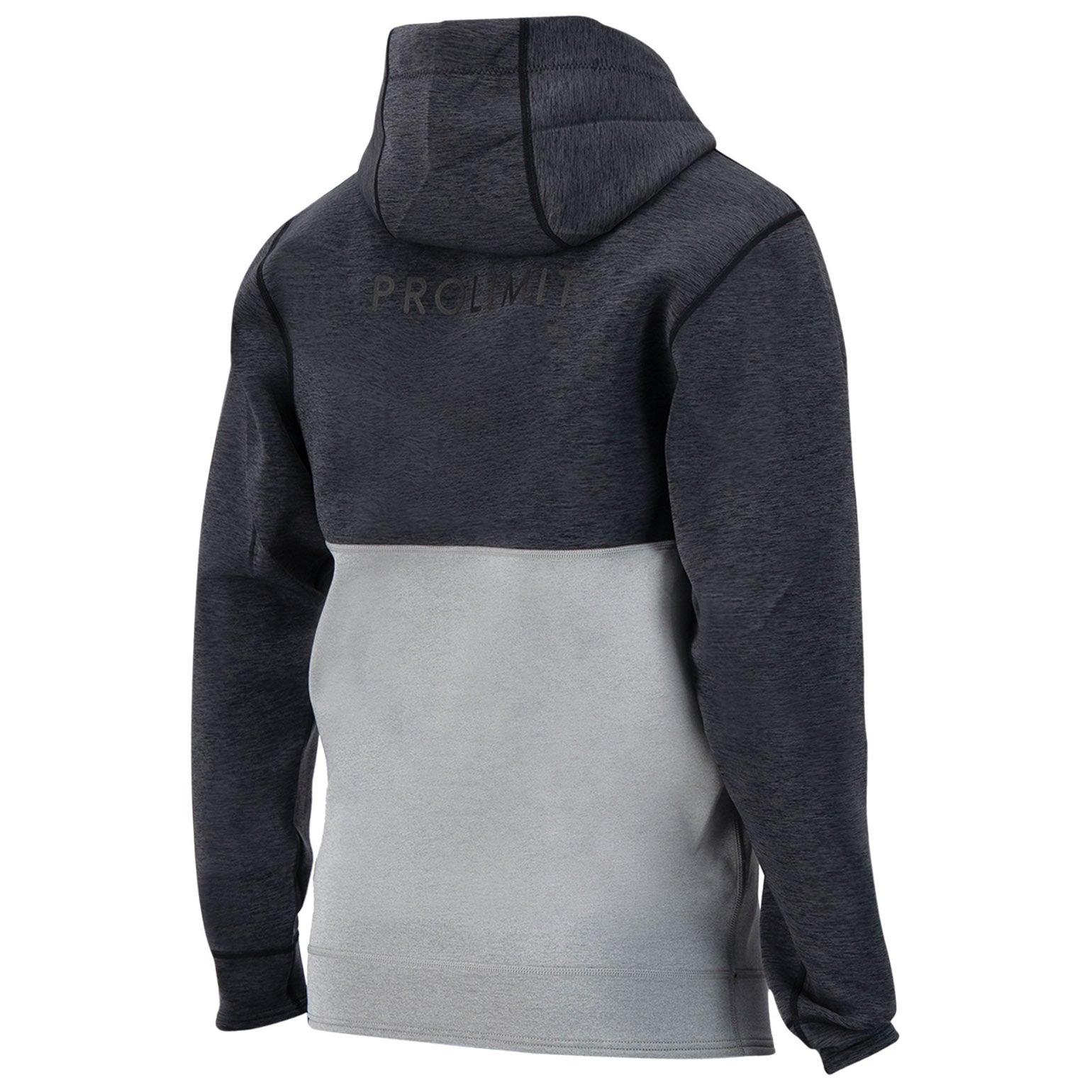
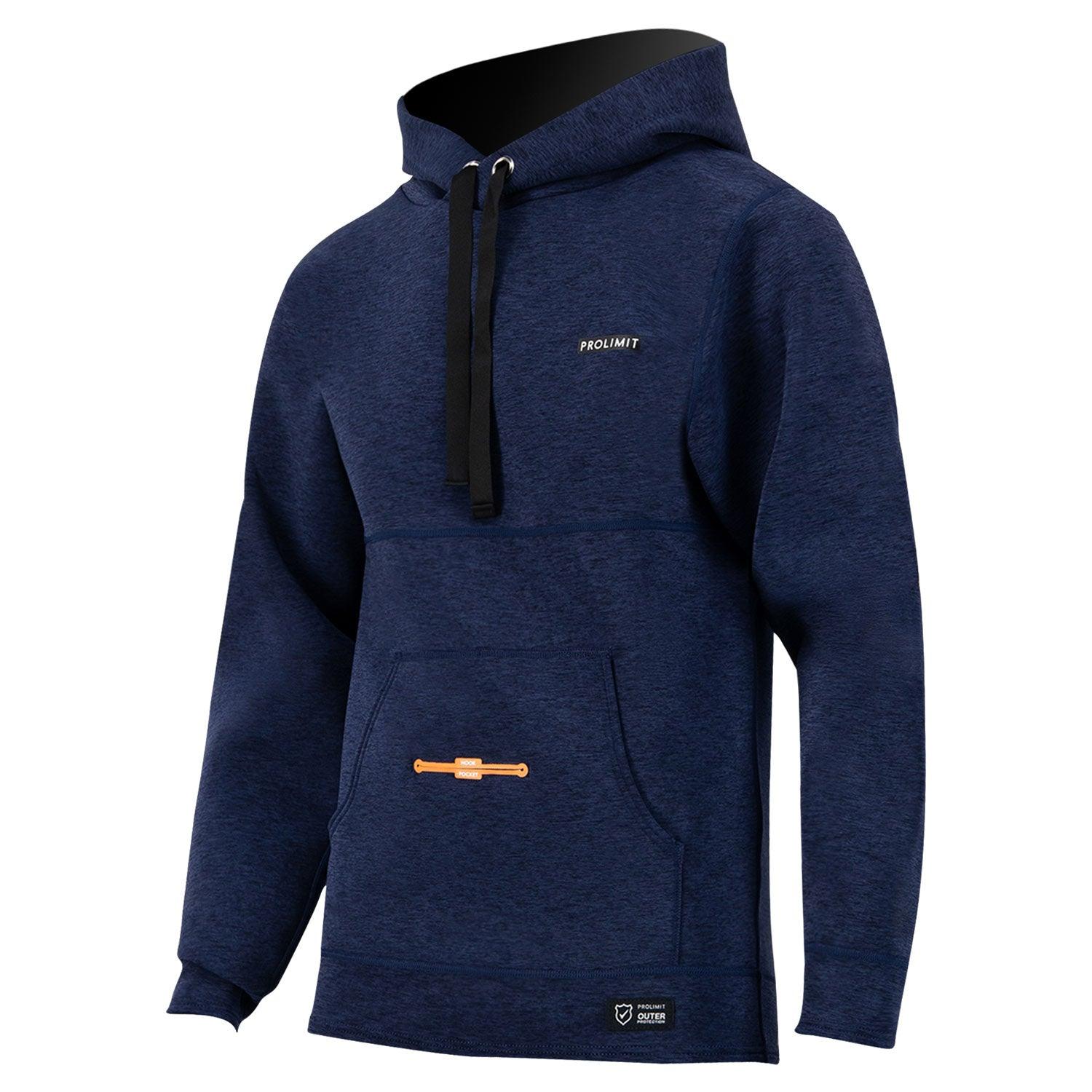
Thermal rash vests and hooded layers worn under a wetsuit add insulation where it matters most – your core. These layers boost warmth without changing your wetsuit thickness, making them ideal for variable or shoulder-season conditions.
Layering by Activity
The same water temperature can feel very different depending on how you ride.
– Windsports (kite, windsurf, wing) involve constant wind exposure, making accessories essential for managing wind chill
– Surf & foiling include long periods of waiting in the water, increasing heat loss through immersion
– SUP tends to be lower intensity, meaning consistent insulation and comfort matter over longer sessions
Matching your layers to your activity helps your wetsuit work more efficiently.
Build a System, Not a Guess
Cold-water comfort doesn’t come from one product — it comes from layering a complete system that works together. By combining the right wetsuit with boots, gloves, hoods, and thermal layers, you stay warmer, move better, and extend every session.
Explore Prolimit cold-water essentials:
– Wetsuits
– Boots
– Gloves & mittens
– Hoods & thermal layers